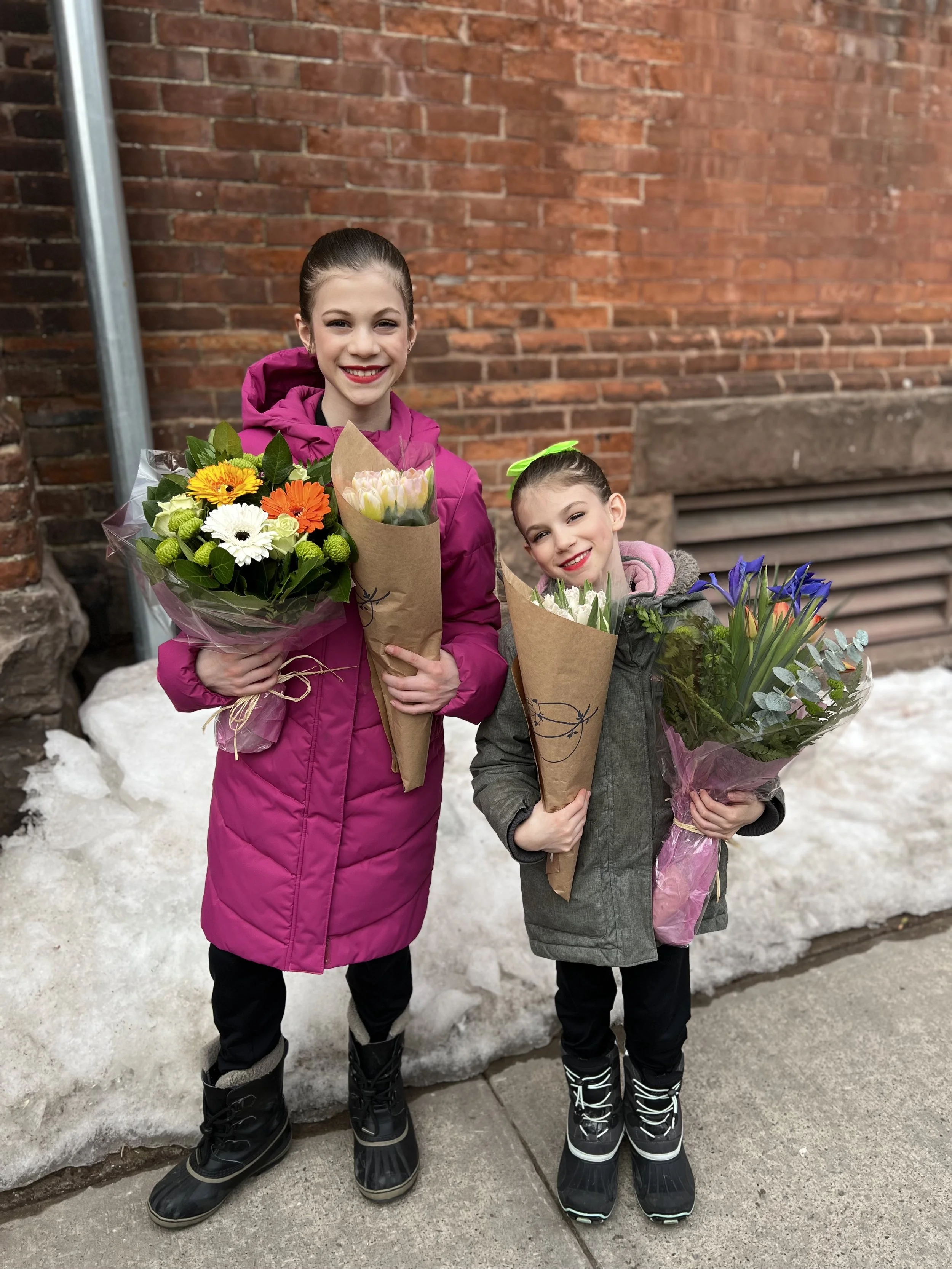
Getting Ready for Performance Season: A Guide for New Competitive Dance Parents
By Shanelle Smith
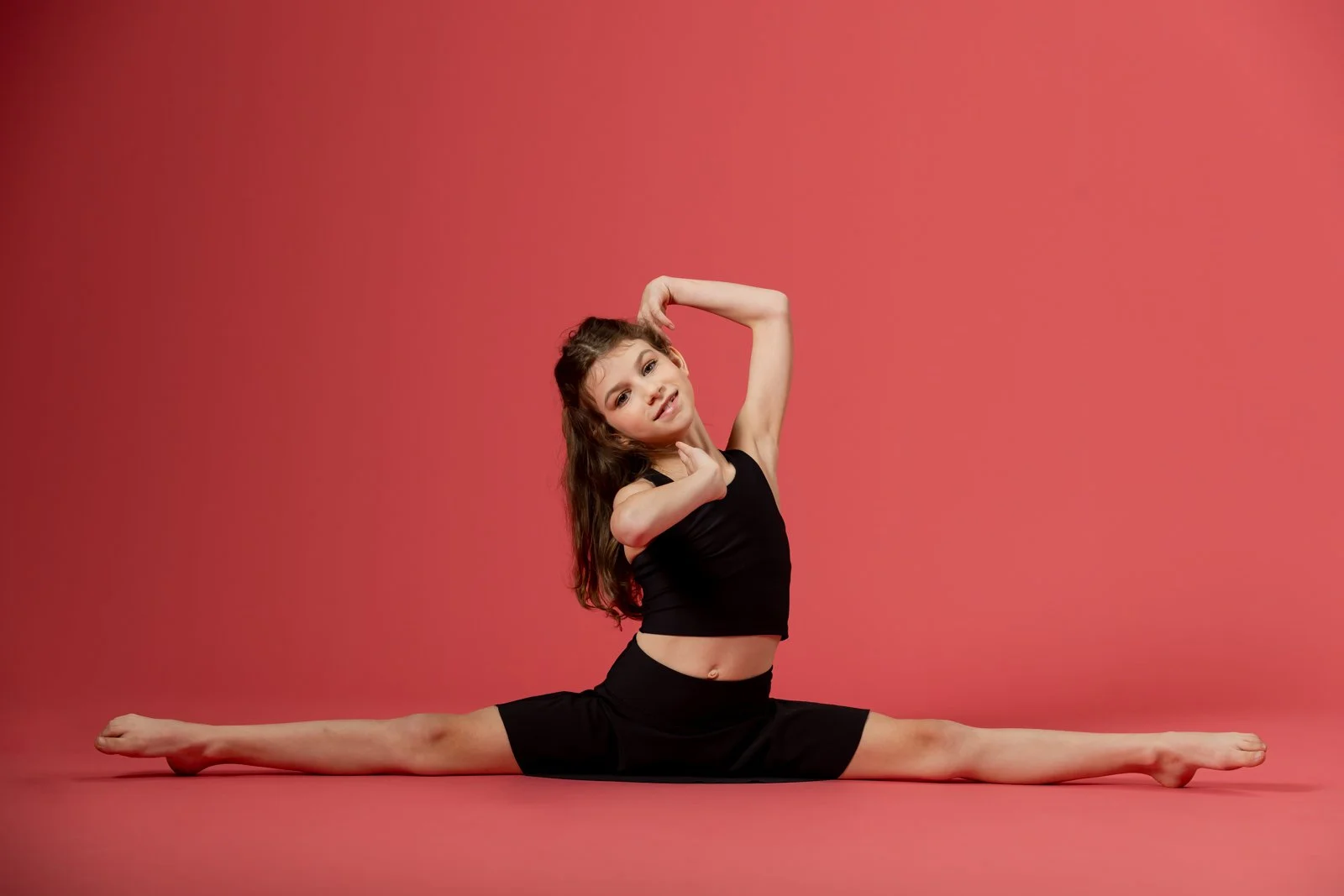
Photo by Marlowe Porter
I’ll admit - when our eldest daughter first joined RAA, we weren’t entirely sure what we were getting into. It was Olivia’s first year at TRAC, and she hadn’t even been in a recital before, let alone musicals, showcases, and competitions. On top of that, the RAA2s were a brand-new team, which meant all of us dance parents were learning together as we went. It was a lot of fun… and sometimes a bit of a scramble.
One of the many things I love about TRAC is how organized the studio is, including clear schedules and instructions for parents. And yet, I don’t think any amount of checklists can fully prepare you for your first year of competitive dance life. Now, heading into our fourth year of RAA, I feel like I’ve mostly wrapped my brain around it all - and I hope this streamlined guidance helps you feel a bit more prepared and less overwhelmed than we did in our first year.
Communication Is Everything: Connect With Your Team Parents
By now, hopefully, you’re part of some kind of WhatsApp or group text with the parents of your child’s team. I cannot overstate how valuable this is.
The RAA2 WhatsApp chat has saved us many times - from realizing dance shoes were still in lockers, to clarifying hairstyle instructions, to figuring out where to park at competition venues.
Right before Olivia’s very first competition, a medical emergency meant I couldn’t be there to do her hair and makeup. Her teammates’ parents immediately stepped in, got her ready, and sent me photos throughout the day. That moment showed me how important communication and community are in competitive dance.
If your team has some sort of text chat, join it. If not, it’s time to start one - and make sure everyone is included. Competitive dance truly is a team effort.
Getting Ready for Performance Season: What to Expect
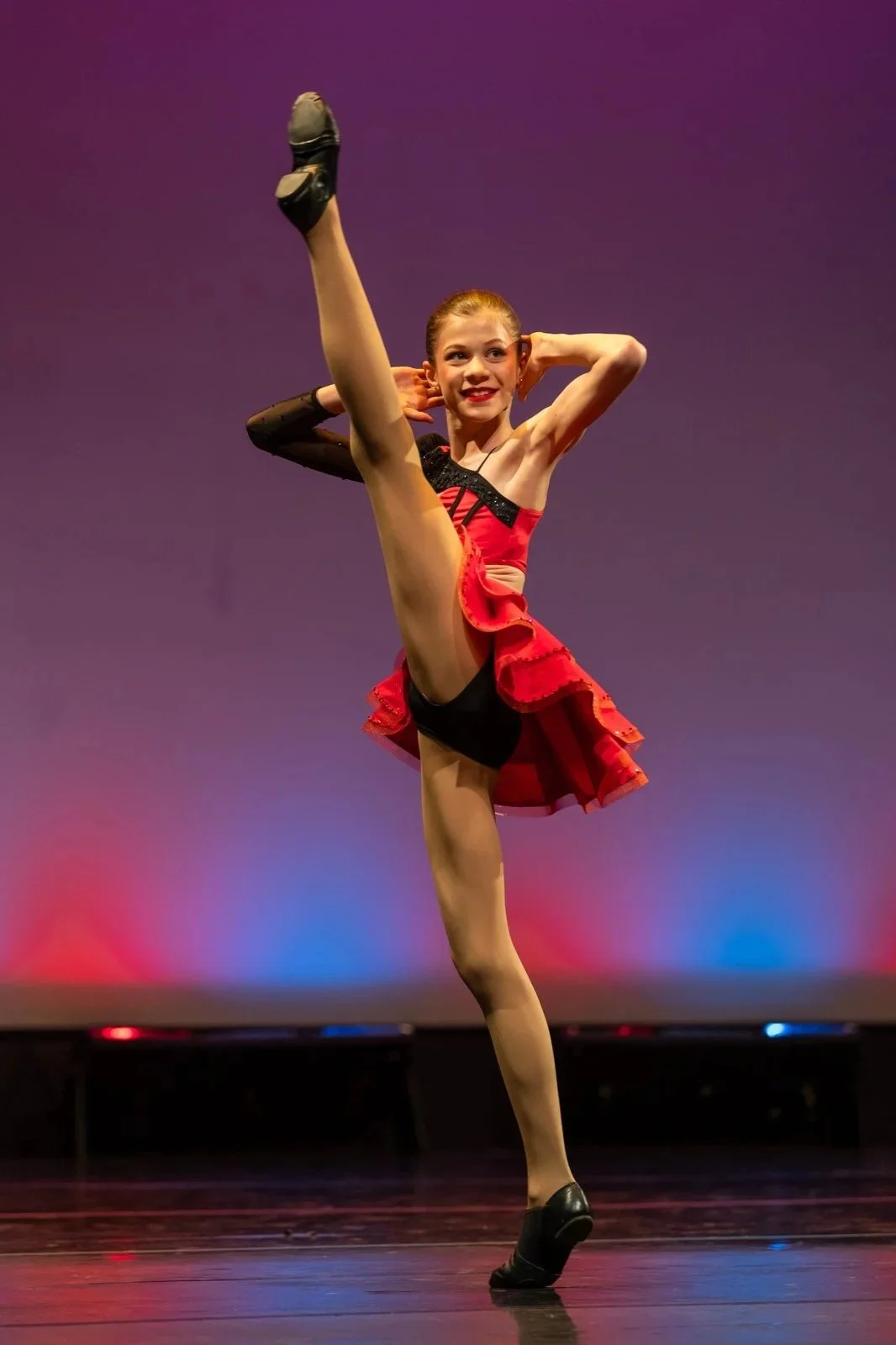
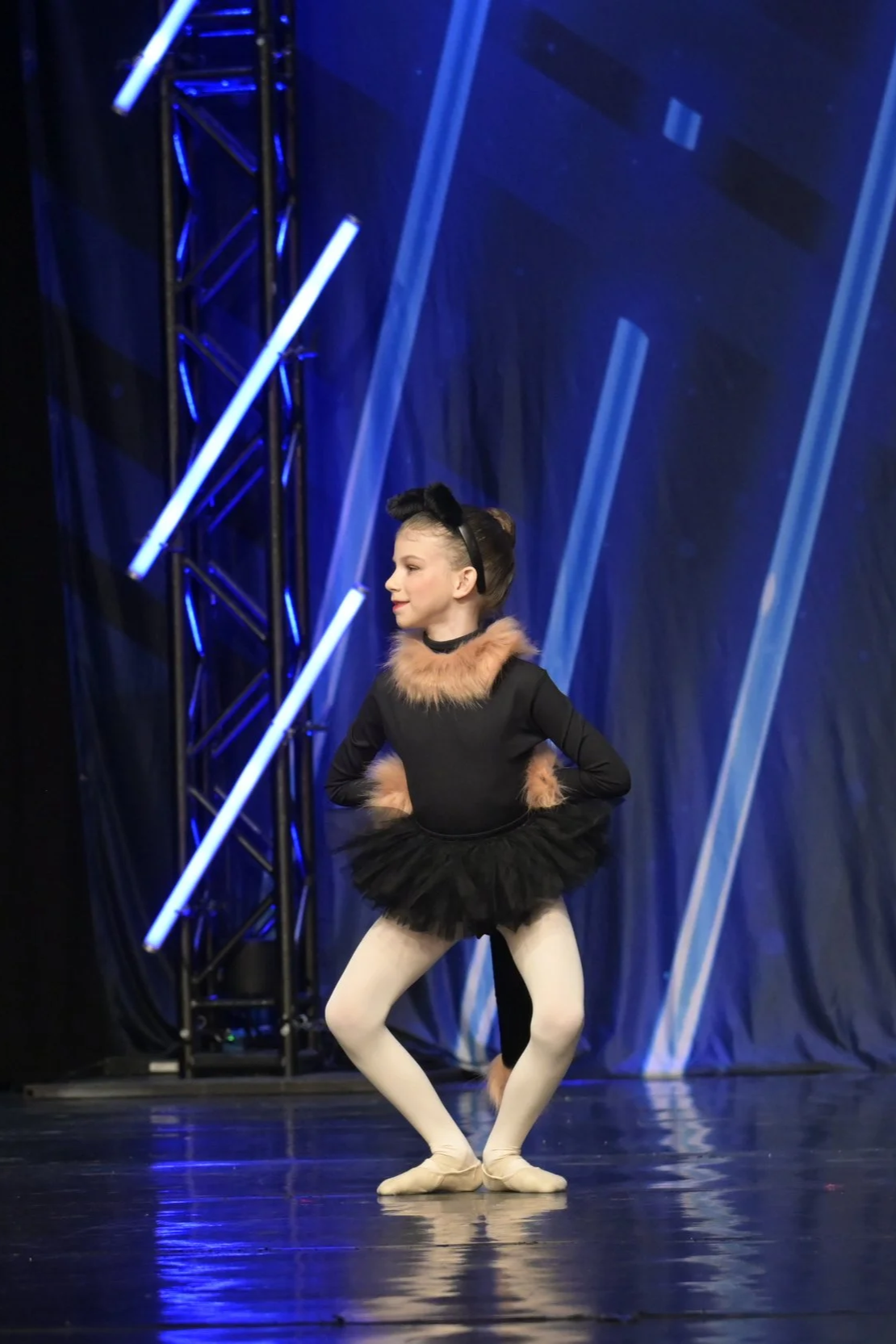
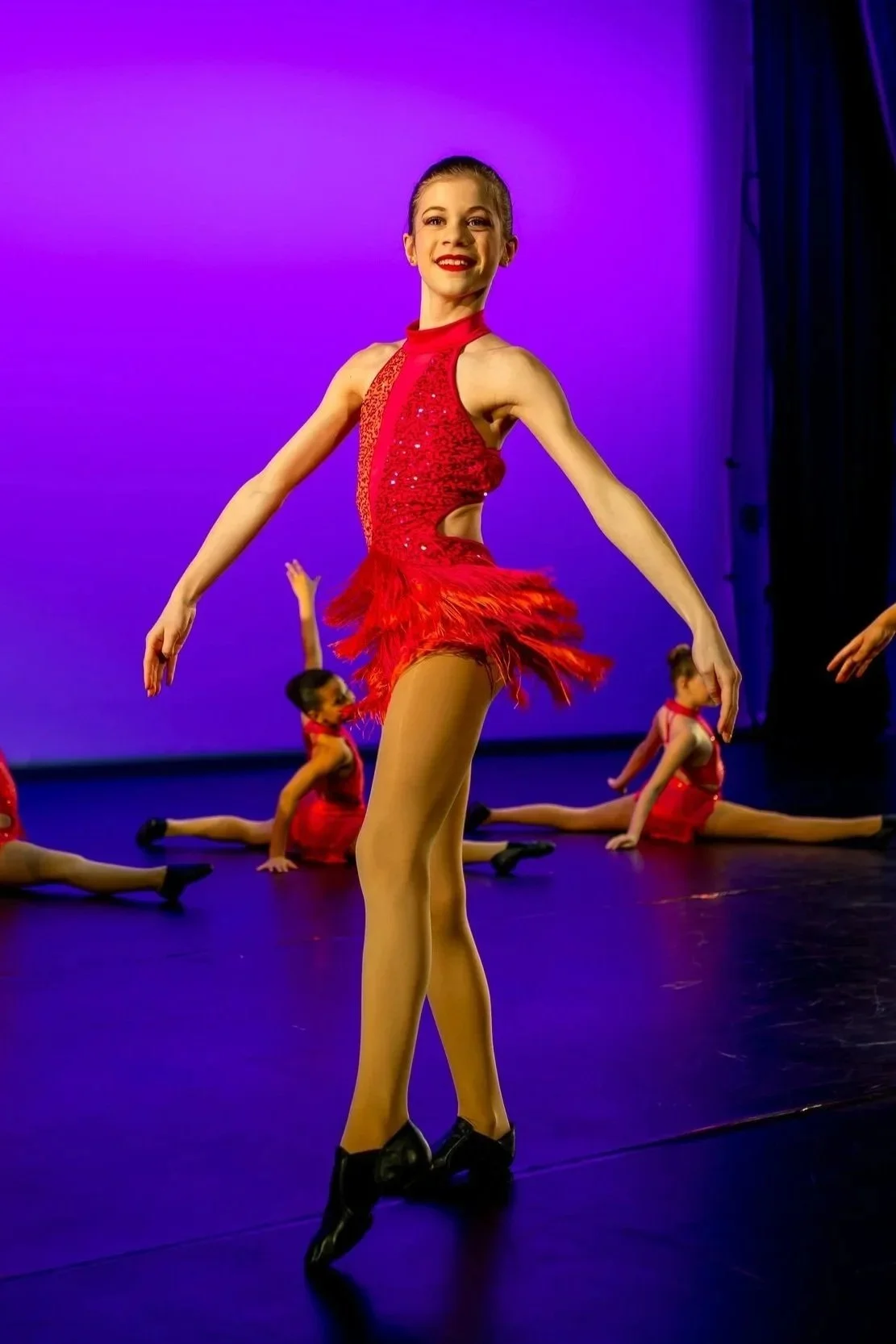
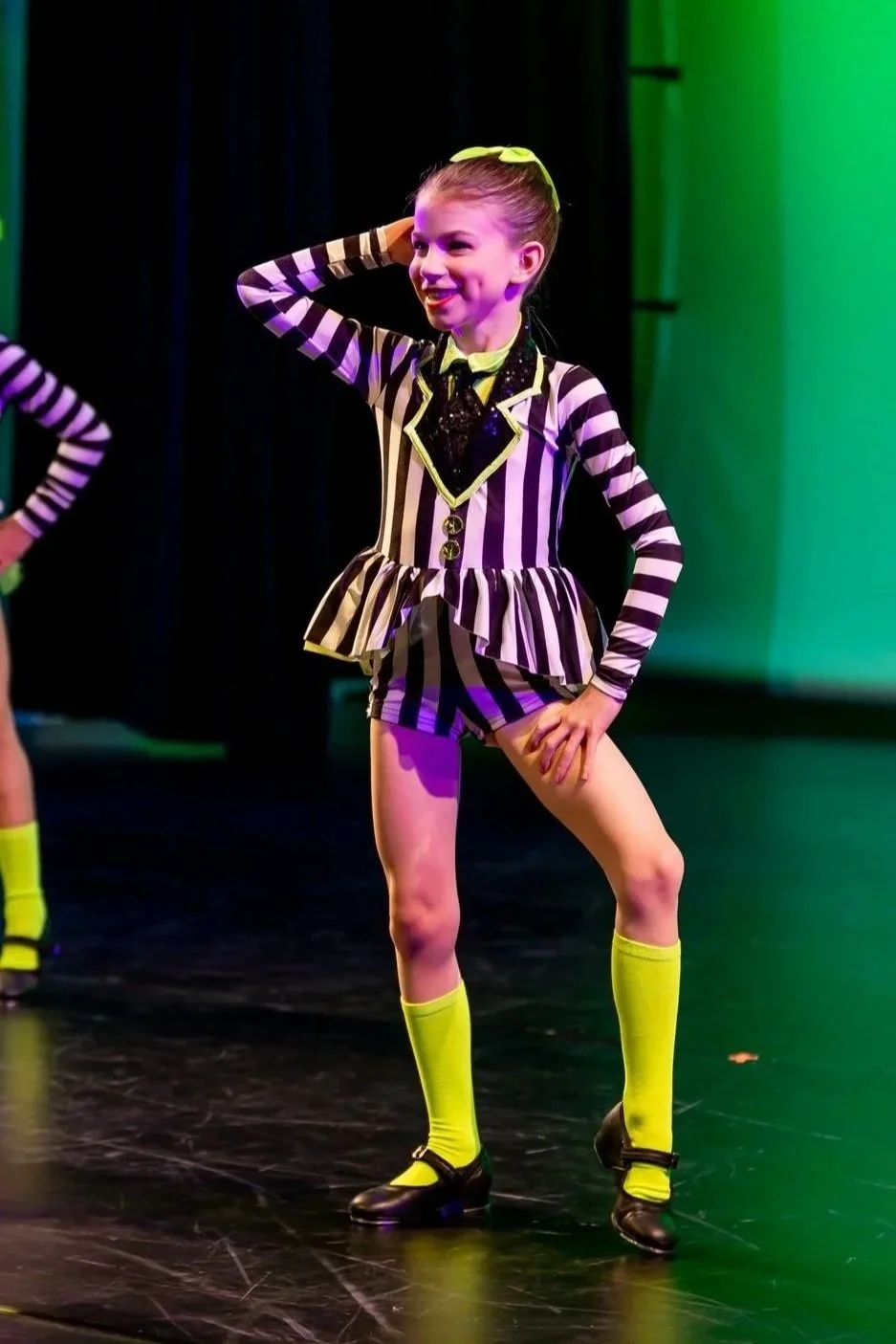
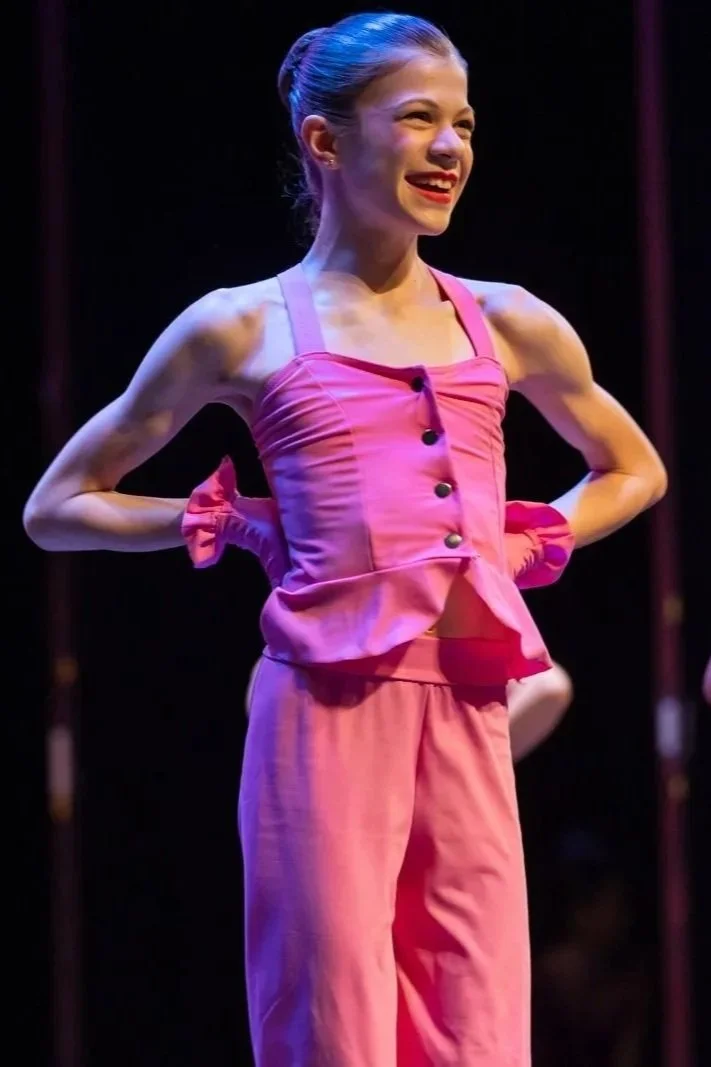
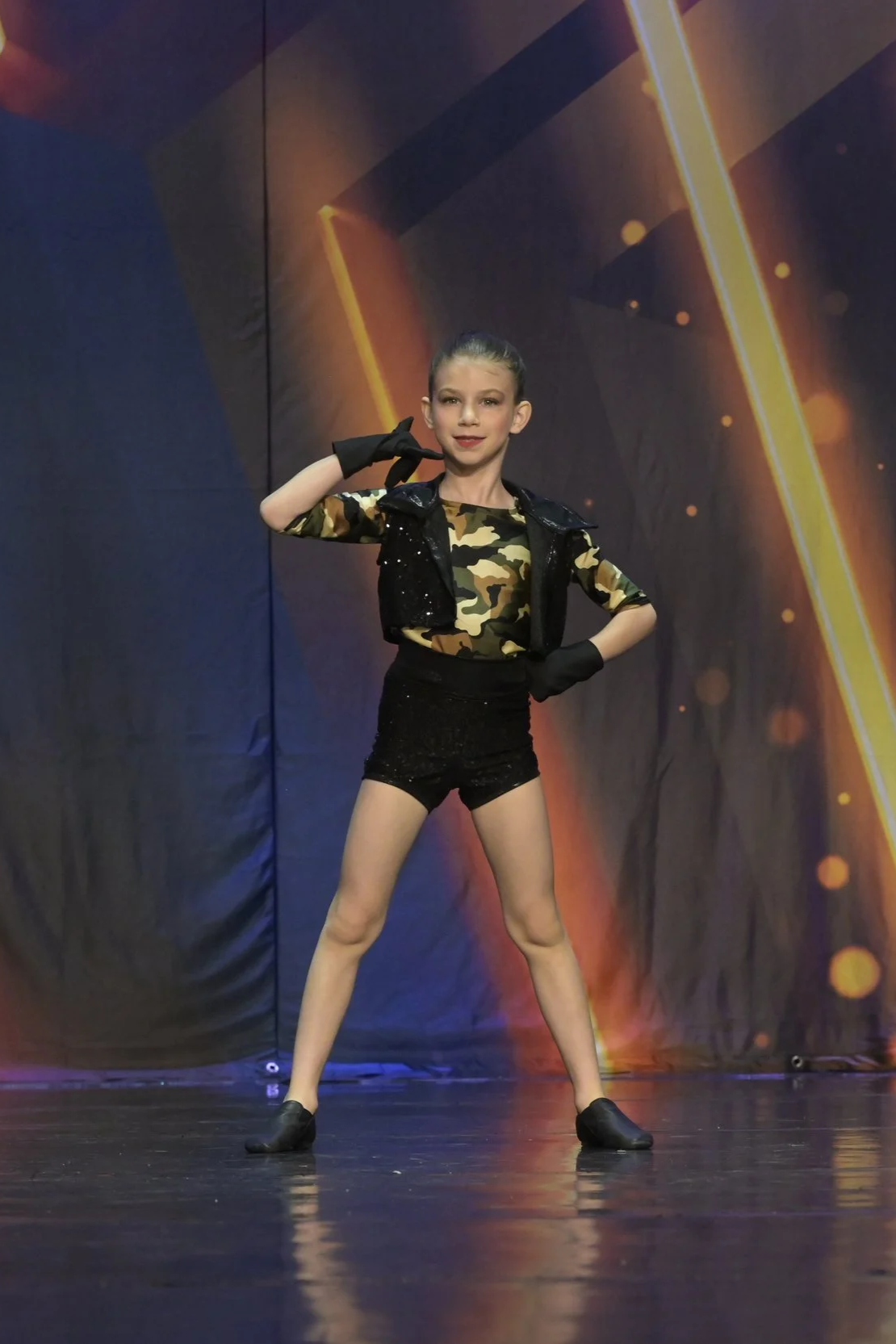
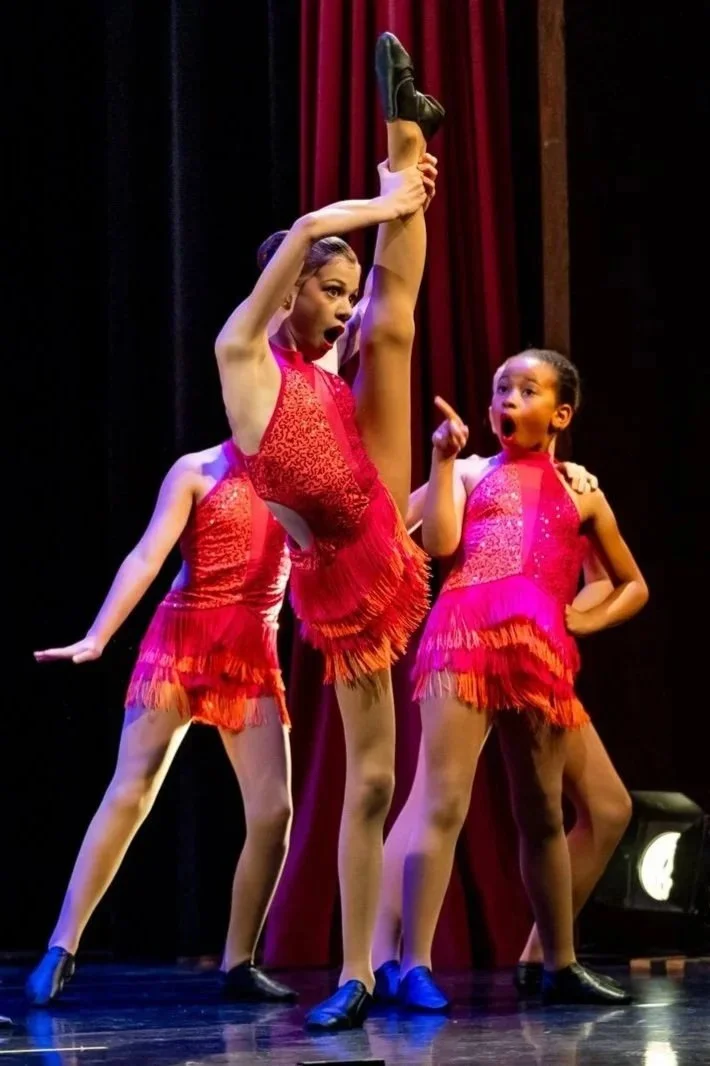
Showcase is TRAC’s first big performance of the season for the RAA team. Dancers perform all of their routines on stage in full hair, makeup, and costumes for their loved ones, recital style. It’s always exciting, special, and a mental kickoff for competition season.
As Showcase approaches, costumes will start coming home, and hair and makeup instructions will follow. Use this event as a test run to figure out what works best for your family when it comes to organization and preparation - it will make competitions feel much more manageable.
Hair & Makeup: Trust the Process… And Practice
Makeup
In our first year, performance makeup felt so heavy. Liquid foundation? Eyeliner? Ruby Woo red lipstick?! Was this really necessary?
The short answer: yes.
Performance makeup is essentially theatre makeup. It’s designed to enhance facial features so dancers don’t appear washed out under extremely bright stage lights. While it might seem like a lot up close, it looks completely different from the audience and the judges’ perspective.
A couple of key tips:
Avoid waterproof makeup (it’s a nightmare to remove and you want a fresh face to reapply makeup the next day)
Always pack makeup remover
It gets easier - and faster - every time you do it
Hair
Performance hairstyles require the right tools and products to last through warming up, rehearsing, sweating, costume changes, and multiple performances.
To achieve a hairstyle that lasts all day, you’ll need at minimum:
Strong hair elastics that match hair colour
Hair nets that match hair colour
Water in a spray bottle
Gel
Hairspray
And remember: bobby pins are not bun pins. I repeat - bobby pins are not bun pins.
Now is a great time to check the full list of hair and makeup supplies to see what you already have at home and identify what you need to add. You can find a full list of required supplies here.
Pro tip: Ms. Raine recommended the TRESemmé Extra Hold unscented hairspray (in the spray bottle, not aerosol) to me last year - and it’s an absolute game changer.
I also highly recommend doing a full hair and makeup trial run on a separate day before the first Showcase dress rehearsal. TRAC has created many excellent YouTube tutorials, which can be found here.
Packing Costumes: Organization Is Your Best Friend
Before you pack anything: LABEL. EVERYTHING.
Put your dancer’s name on:
Every costume piece
Every shoe
Every accessory
Hangers
Hair and makeup supplies
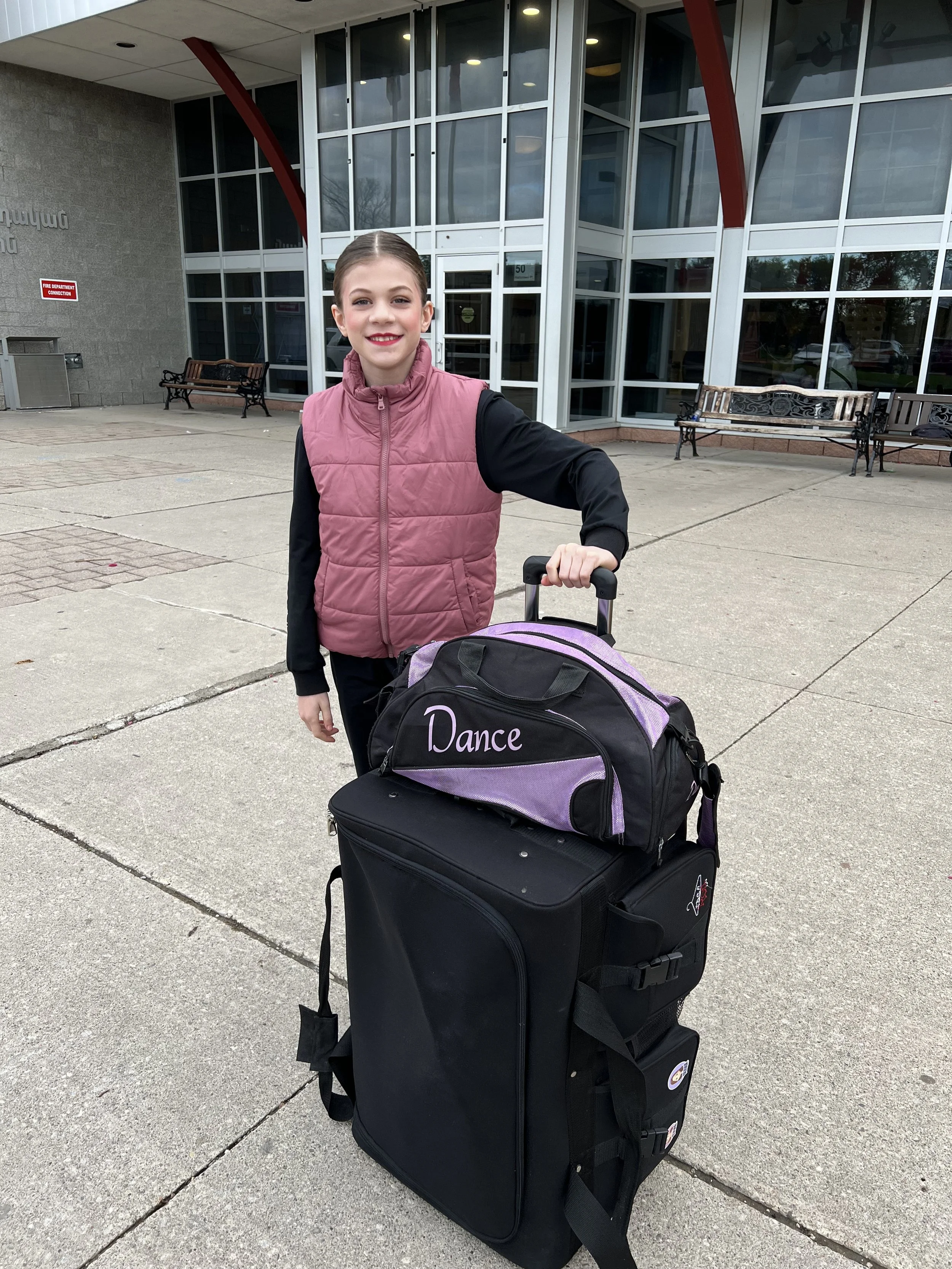
Next, choose a packing system that works for your family, and a garment bag. After trying many options, we landed on the Kendall Country garment bag - and I wish we’d had it our first year. It’s sturdy, fits multiple costumes, and the clear pockets make everything easy to see.
We dedicate one pocket per dance routine, keeping shoes and accessories together. Pack the garment bag at least the night before an event, and repack it the same way before leaving the venue to make sure nothing gets left behind.
Food, Fuel, and Hydration
Healthy, non-messy food (no costume stains!) and a water bottle are essential. These kids burn a lot of energy on performance days and need consistent fuel. Nut-free is also important to be mindful of allergies. And, it might seem silly, but remind your dancer to eat.
Putting It All Together
For a typical performance day, you’ll need:
Costumes + accessories + dance shoes (in a garment bag)
Hair and makeup supplies for touch-ups and changes
Food and water
Your dancer’s TRAC jogging suit for warm-ups and adjudication
At Showcase and recitals, dancers are dropped off and manage their own snacks and costume changes (with some help from teachers). At competitions, parents handle dressing room management - helping with costume changes, hair adjustments, makeup touch-ups, and snack reminders.
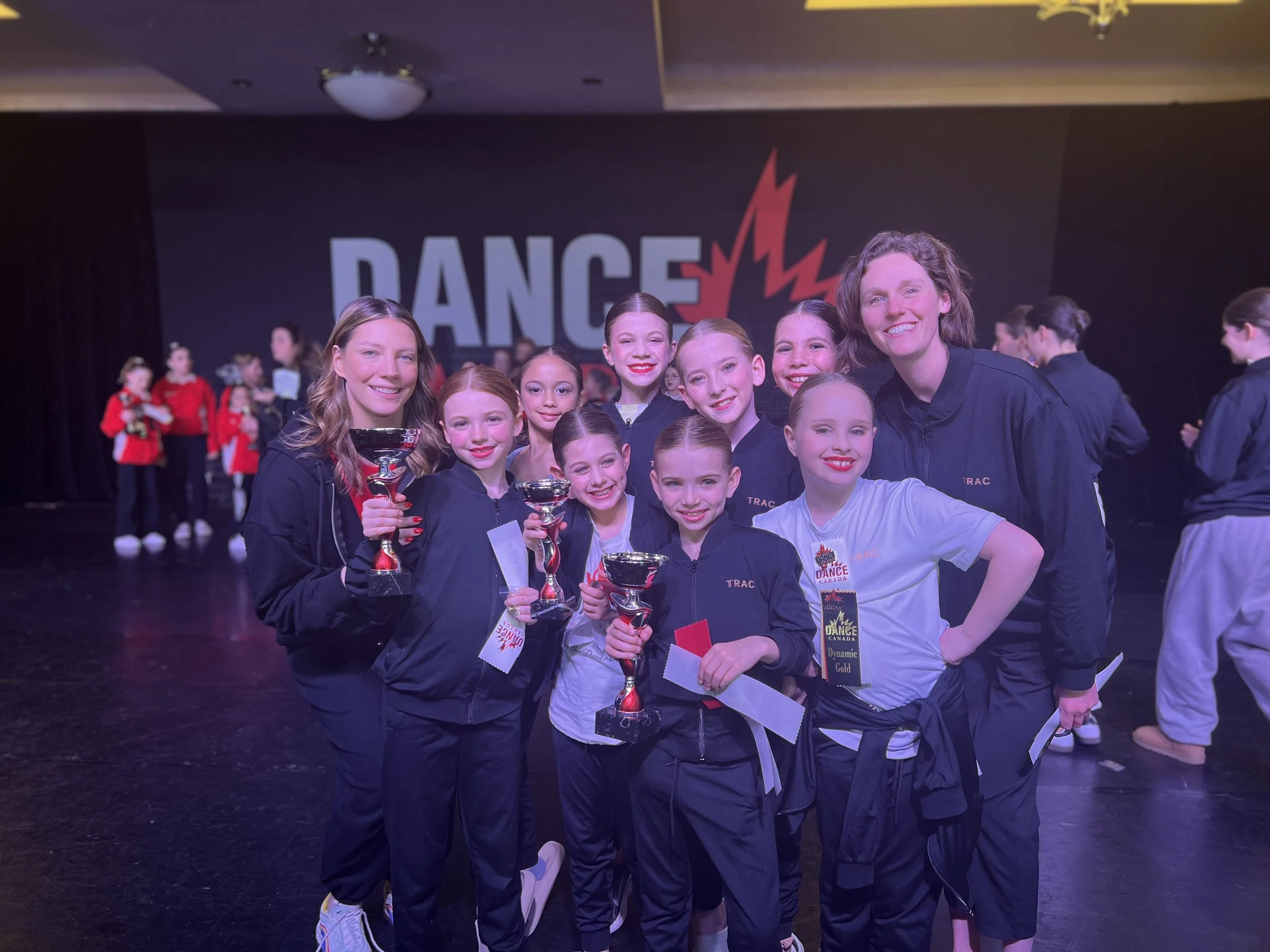
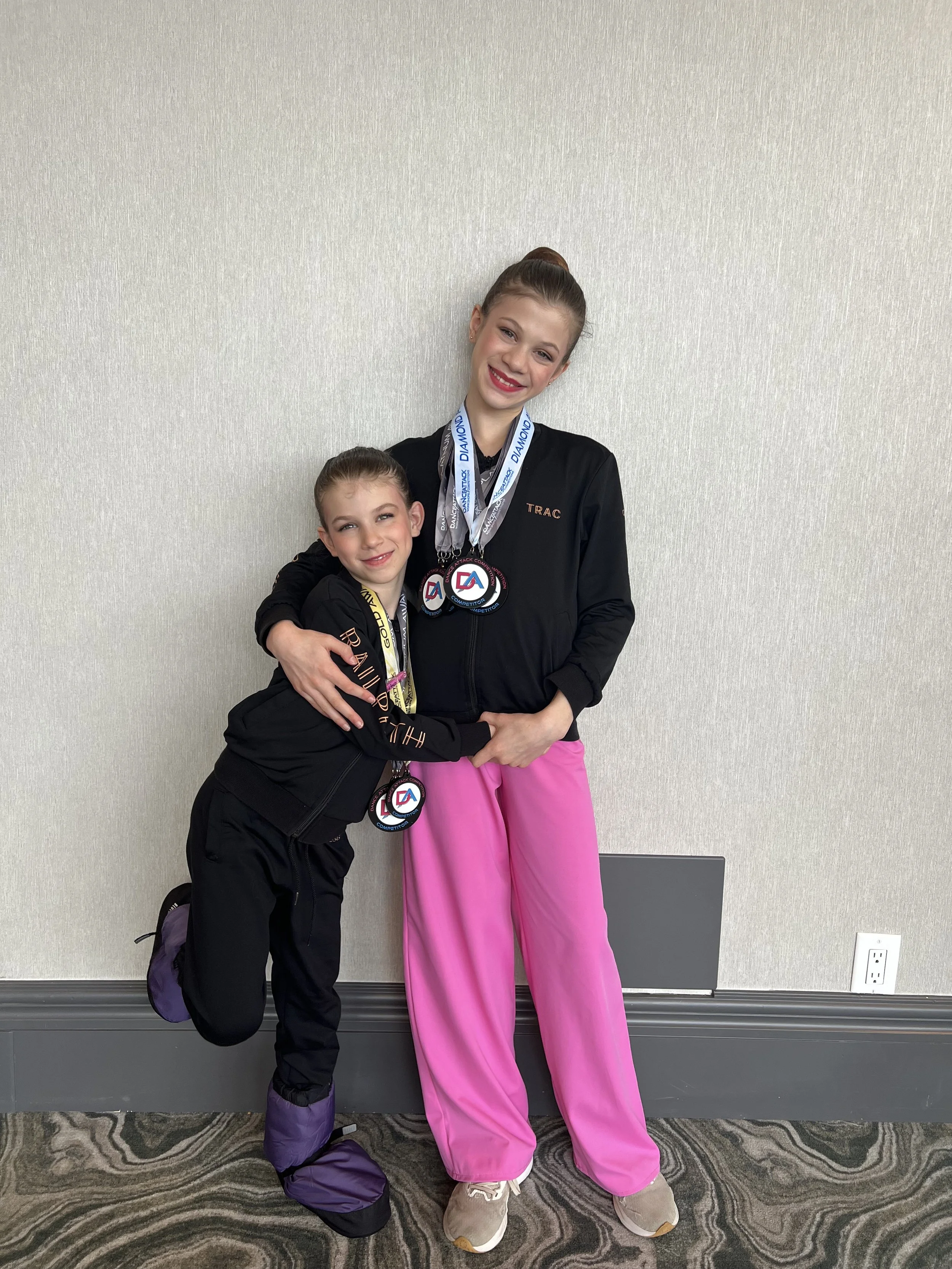
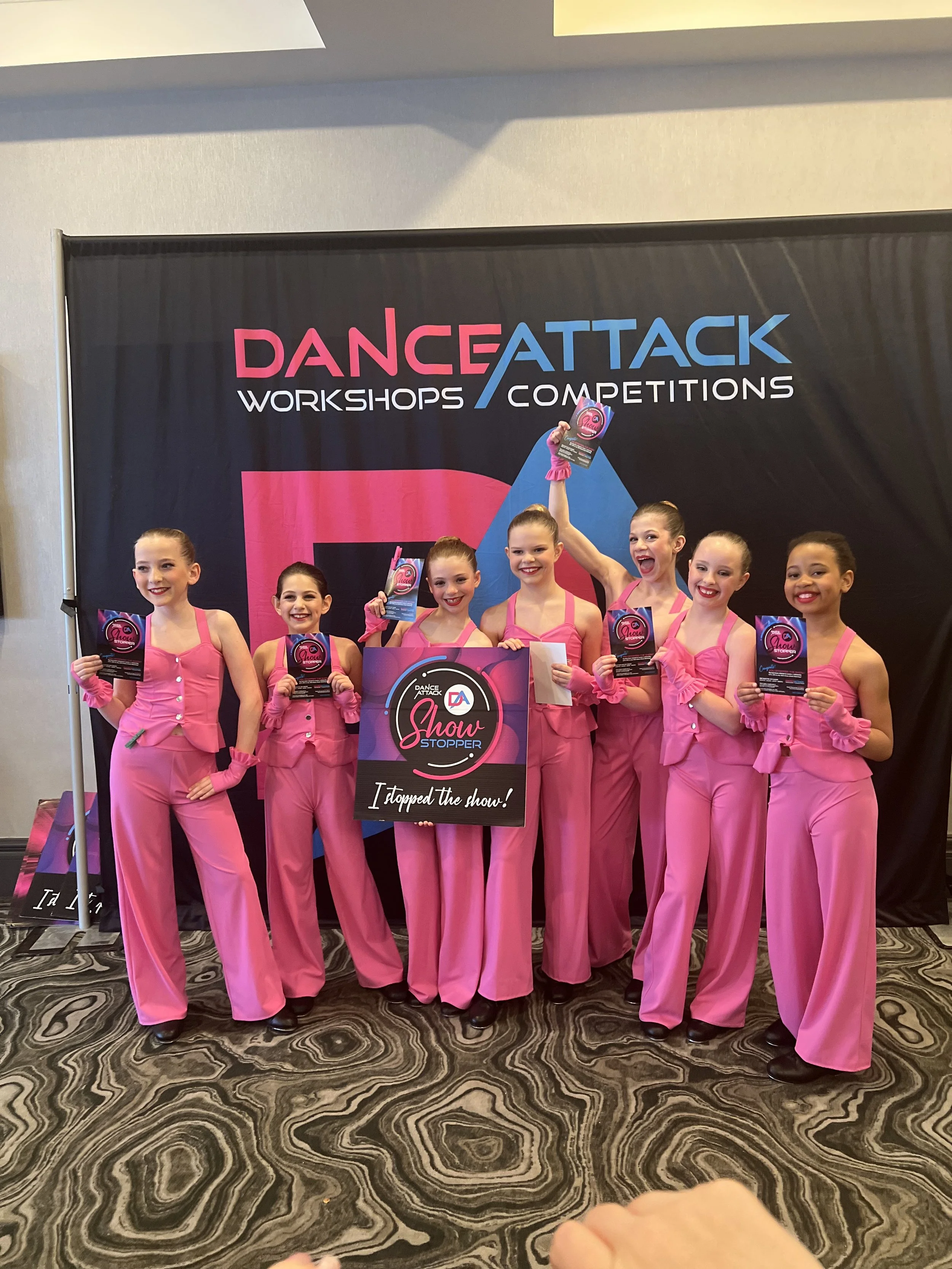
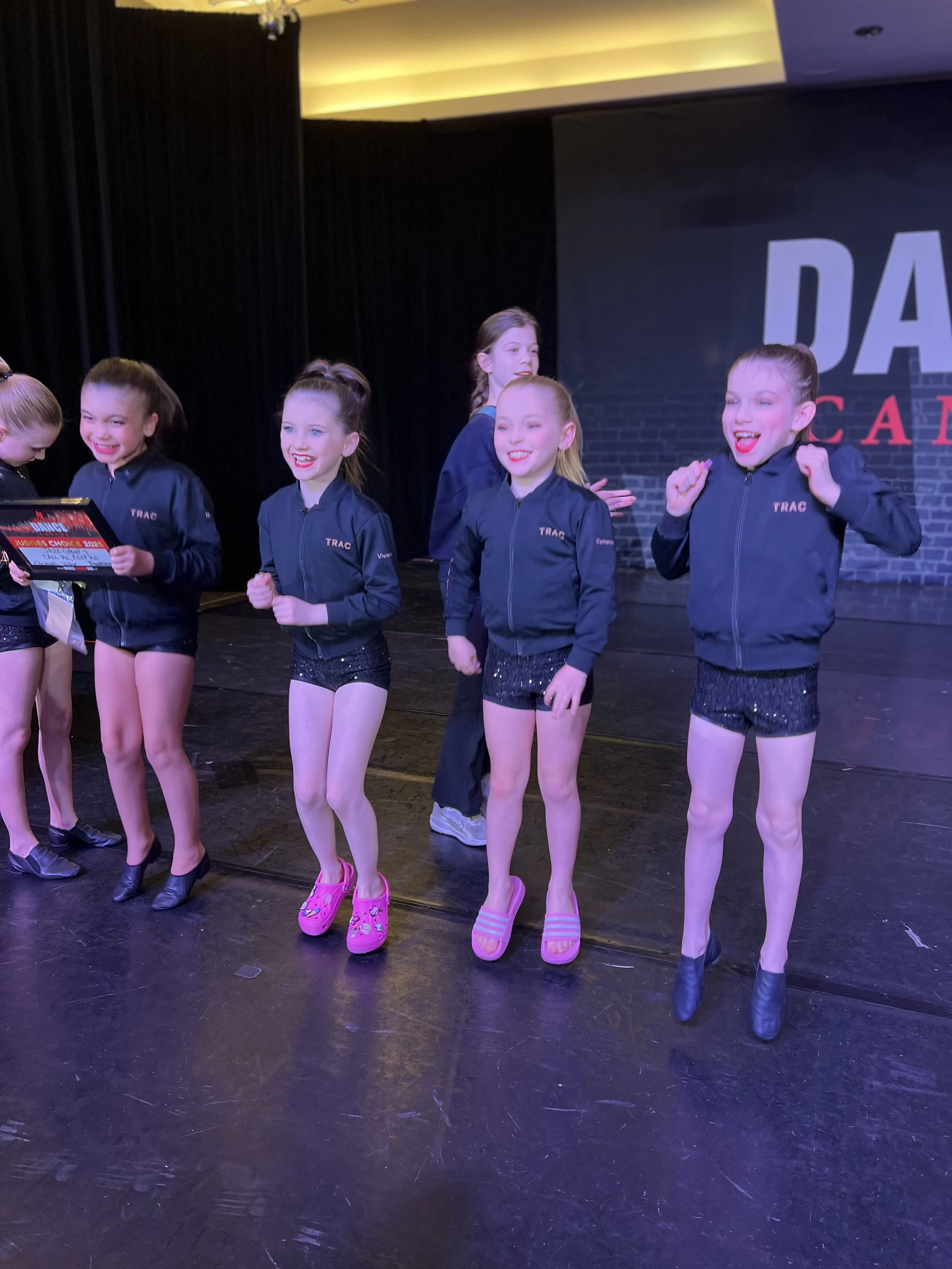
Competitions: What the Days Are Really Like
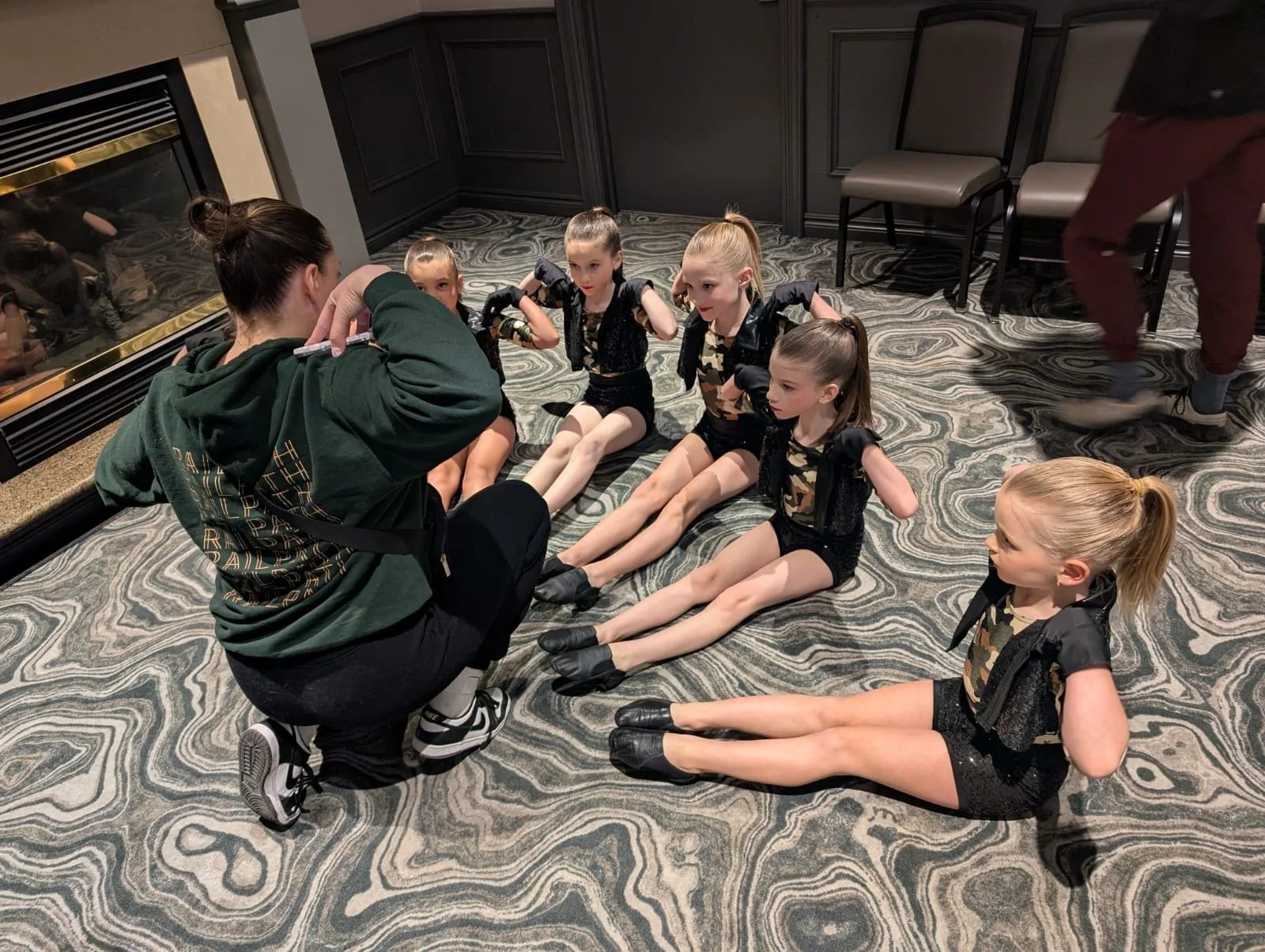
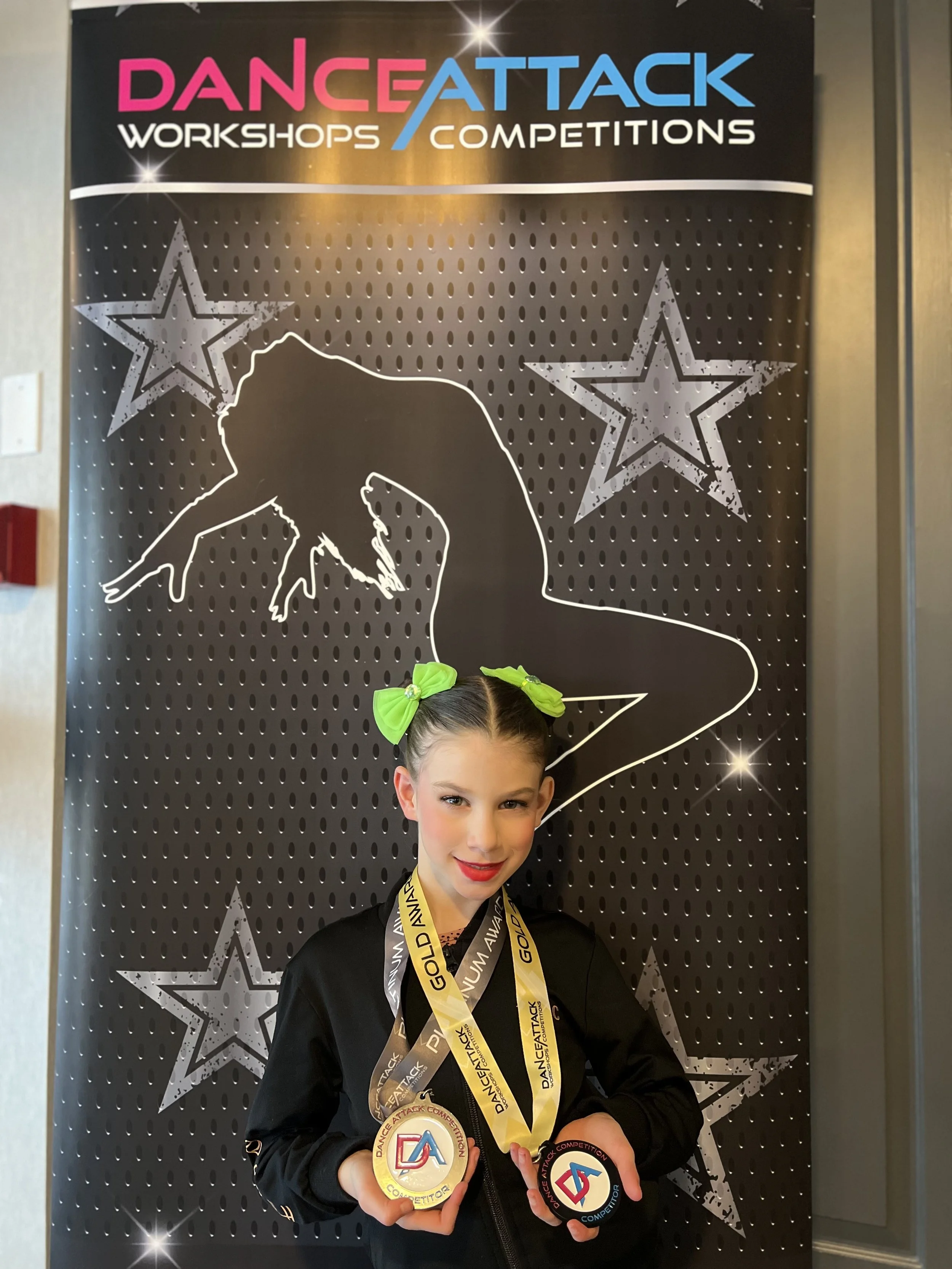
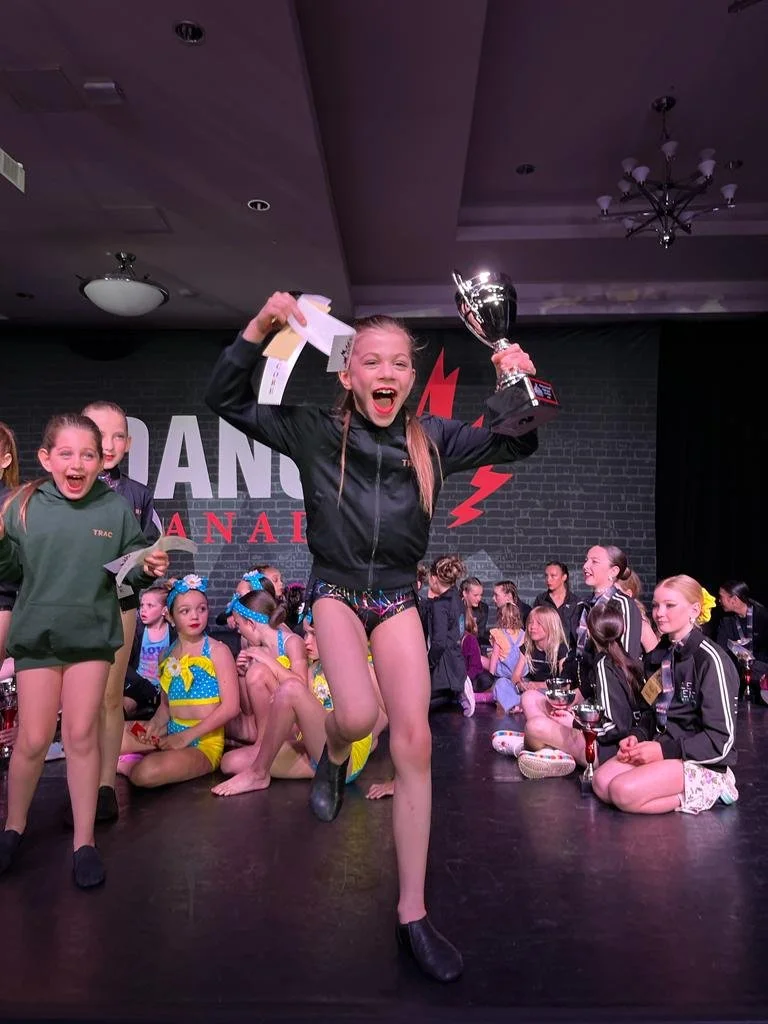
My kids love competitions. There are nerves and big hopes, of course - but even more special is the bonding with teammates. The backstage excitement, cheering for RAA teammates on other teams, and long days together create memories that last far beyond the awards.
That said, competition days are long. As my fellow dance mom, Alexis, mentioned in her Dance Mom Diary for TRAC: caffeine and soft pants are essential.
Schedules & Planning Ahead
Competition schedules are usually released one to two months in advance and include:
Call times (the time your dancer should be ready to warm up with their team)
Performance times
Adjudication times
Costume and hairstyle instructions
If the competition is out of town, this is when we adjust hotel bookings (we usually book Thursday–Sunday for the weekend, and tweak once schedules are released).
If live streaming is available, I often email friends and family who want to tune in with:
The livestream link
Routine names, times, and entry numbers
If the competition uses the DanceBug app, download it ahead of time.
Getting There (and Waiting… a Lot)
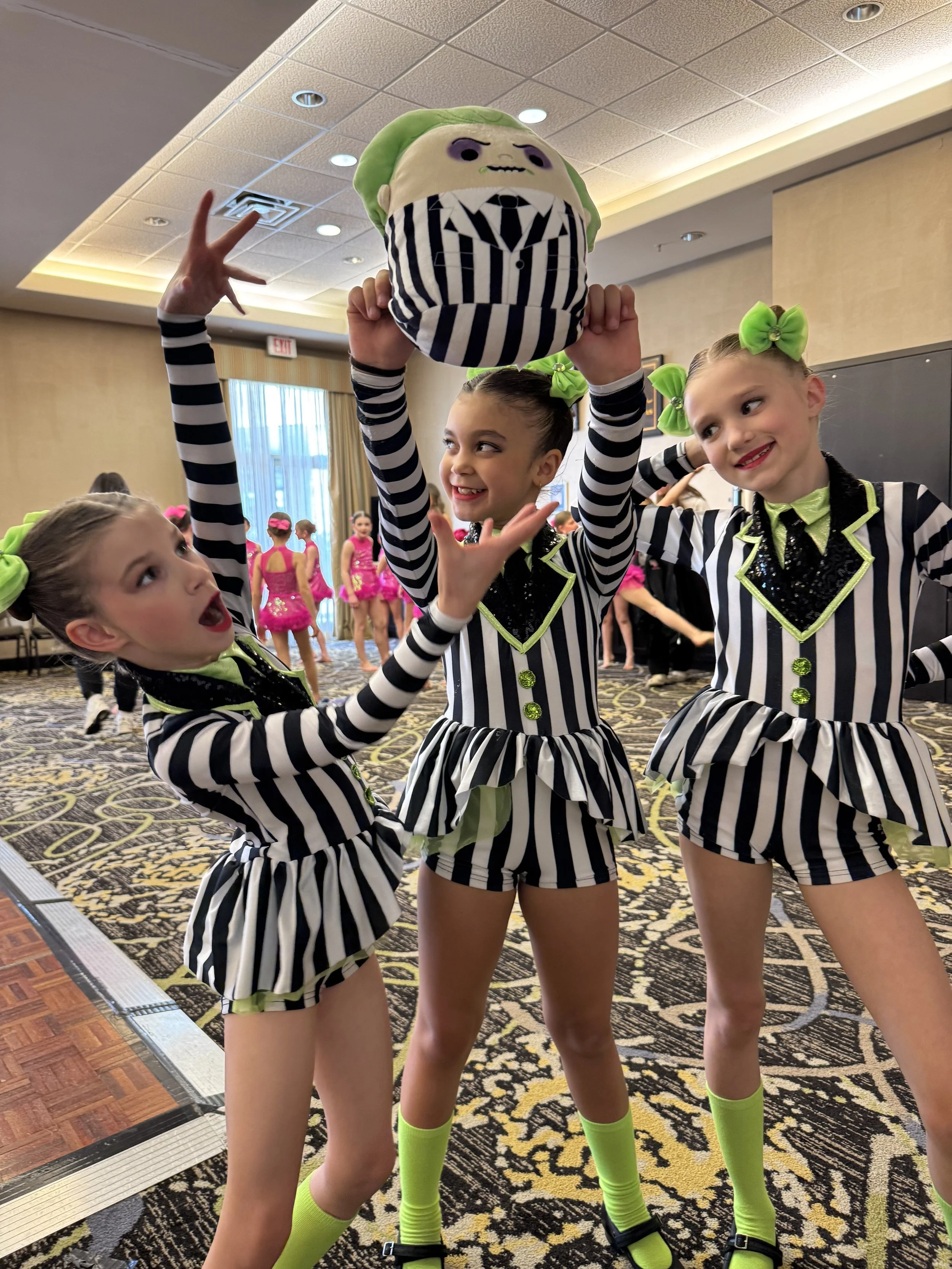
Dancers must arrive at their call time in full hair, makeup, and first costume, so plan extra time for parking and finding dressing rooms. Call times can be as early as 7:00 a.m., with performances starting at 8:00 a.m.
Once your dancer is checked in with TRAC staff, coaches usually take over for warmups and rehearsals. Then comes the waiting - just make sure you’ve found a spot in the audience on time, and keep an eye on whether the competition is running ahead or behind schedule.
Yes, I did once miss a performance because the livestream was behind. Yes, I did then buy the video and photo package out of pure dance mom guilt.
Quick Changes
Be aware of when your dancer’s next routine is scheduled. Some changes are very quick and require sprinting from the audience to help with costumes, hair, and makeup. Other times, you get the luxury of calmly meeting your dancer after they perform to tell them how great they did.
Competition & Adjudication Lingo (A Crash Course)
If adjudication feels confusing your first year, you’re not alone. Here’s a breakdown to speed up the learning curve:
Divisions
Dancers compete based on:
Hours of training per week (Part-Time or Full-Time)
Average age of team (for overalls, ages are typically grouped in Minis, Juniors, Intermediates, Seniors)
Experience level (Novice for first-year competitors and regular stream after that)
Some competitions also divide groups into small group and large group categories.
Sessions
Each block of performances is called a session. Routines in a session compete against each other within their categories. For example, all of the Age 10 - Part-Time - Jazz Group routines compete against each other. In the same session might also be all of the Novice - Age 12 - Ballet Solos. Etc. There are multiple sessions each day.
Adjudication
At the end of each session, dancers return to the stage to hear results from the judges.
Special awards are announced first - these recognize routines that stood out, regardless of score. This usually involves the judge calling up the participants of the routine and saying a few words about what stood out to them.
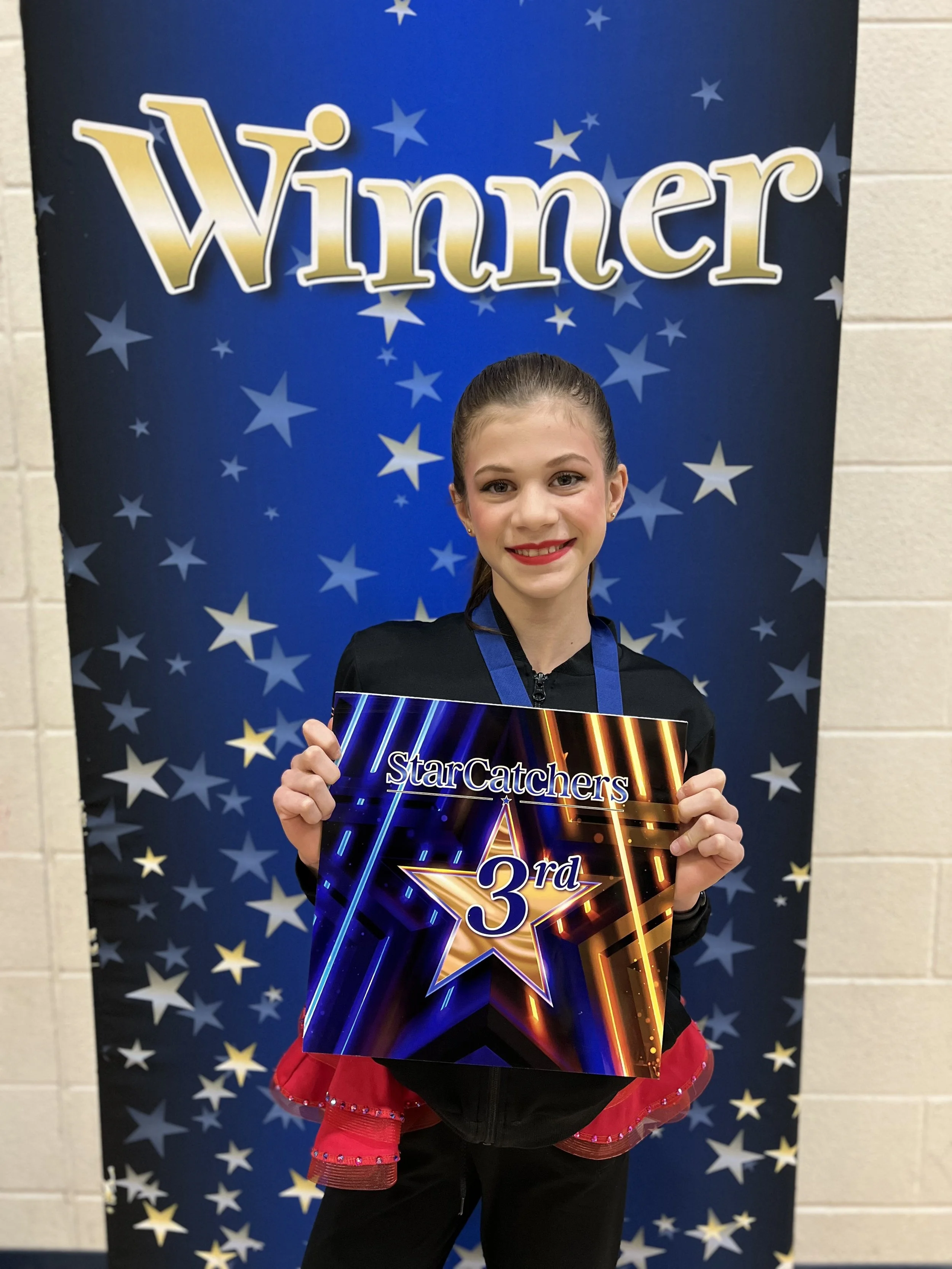
Next (and this part is very quick moving so you’ll need to pay attention) come placements for each routine based on scores within each category. Scores fall into levels such as Diamond, Platinum, Gold, and Silver. Each dancer receives a ribbon for each routine based on their score level. Placements (who come in 1st, 2nd, 3rd, 4th and so on) within the category are also announced when there are two or more competitors.
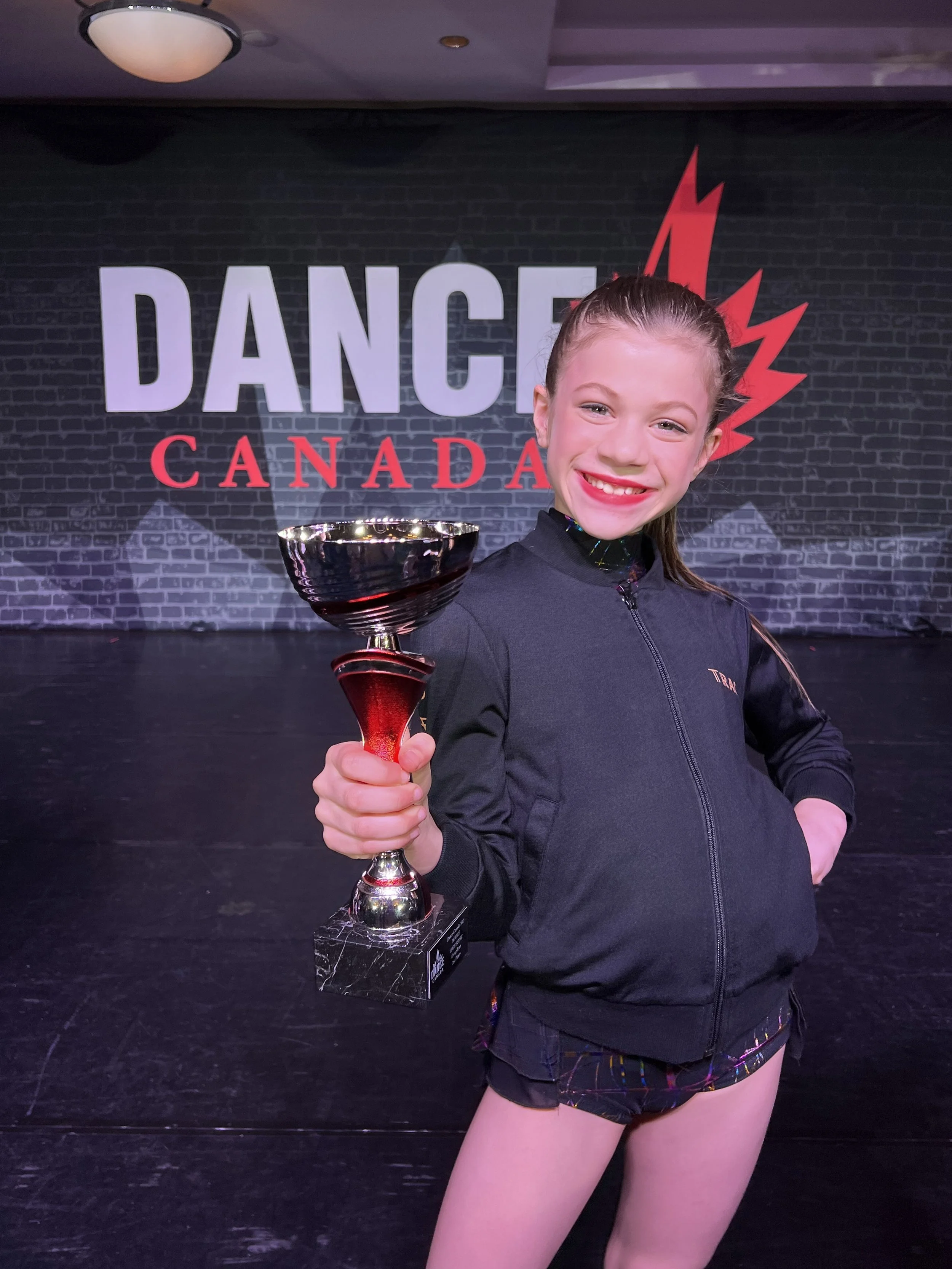
Overalls are given at the end of an adjudication session once an entire division has finished competing for the weekend. Overalls are awards given to the top-scoring routines overall within a division, regardless of dance style. These awards are bigger than a ribbon, such as trophies, plaques, or banners.
When the Competition Is Over
My two children are very different after a competition - Olivia thrives on competition energy, while Evvie needs quiet downtime afterward. This will probably sound pretty self explanatory, but I do find it helpful to remind myself that my kids will probably have a lot to say on the car ride home, so preparing myself (knowing that I am so tired by the end of a competition weekend) for how to keep the conversation positive just in case my kids need that kind of support, is helpful to think about before the moment pops up. It’s often easy for kids to want to comment on what didn’t go well, but our role as parents is to reinforce teamwork, resilience, and joy. In the same way, a big win also feels exciting, but is not the most important part of the experience.
When dancers return to the studio, they’ll review performance tapes with their coaches and receive constructive feedback there. As parents, our main job at the end of a competition (besides making sure that the garment bag was properly packed back up!) is to be our child’s biggest support and cheerleader… and to get ready to do it all again for the next one!
I can’t wait to cheer on these hard-working kids with you this season! See you at Showcase 💗