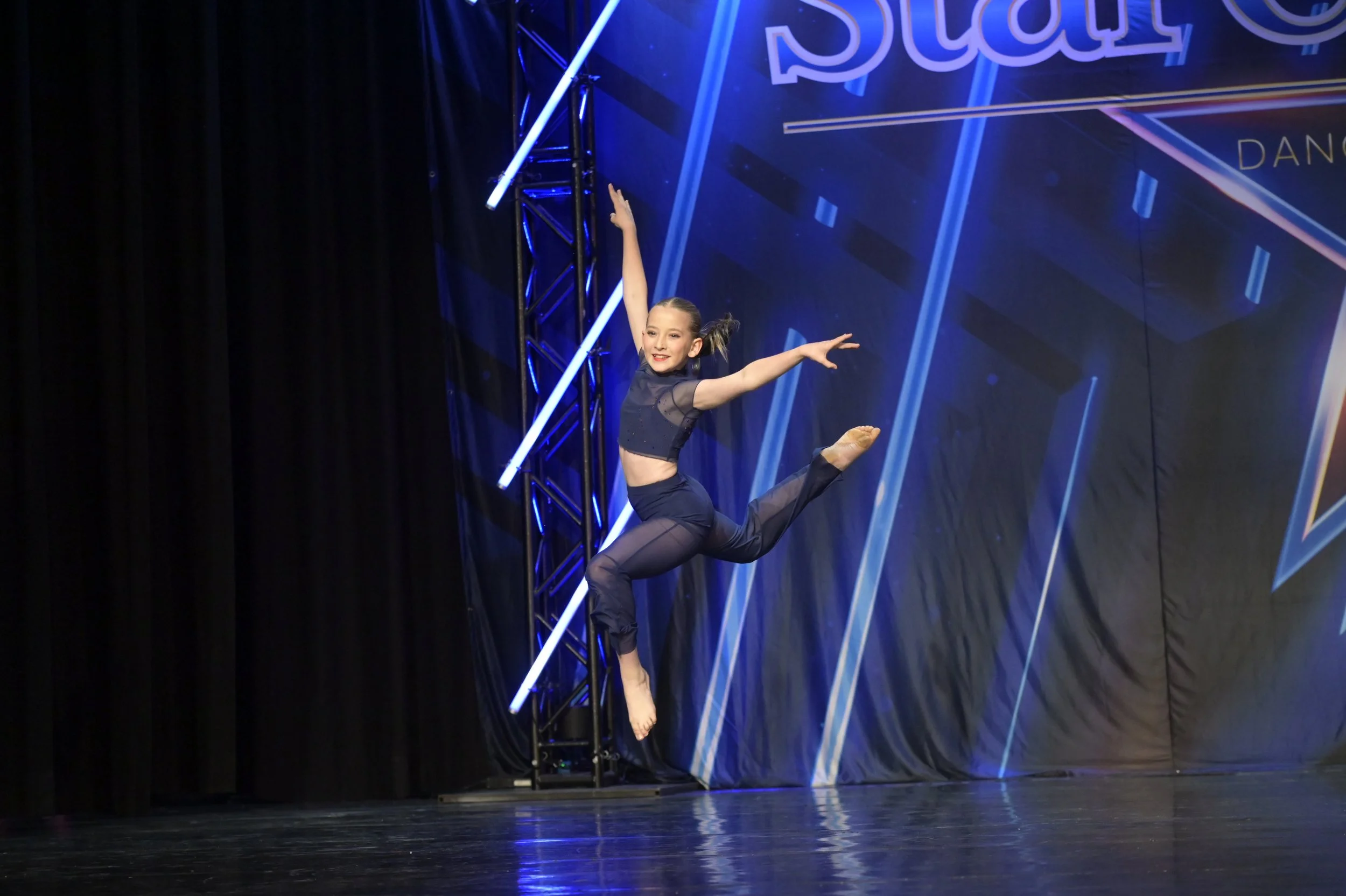
Dance Mom Diaries featuring Alexis MacDonald
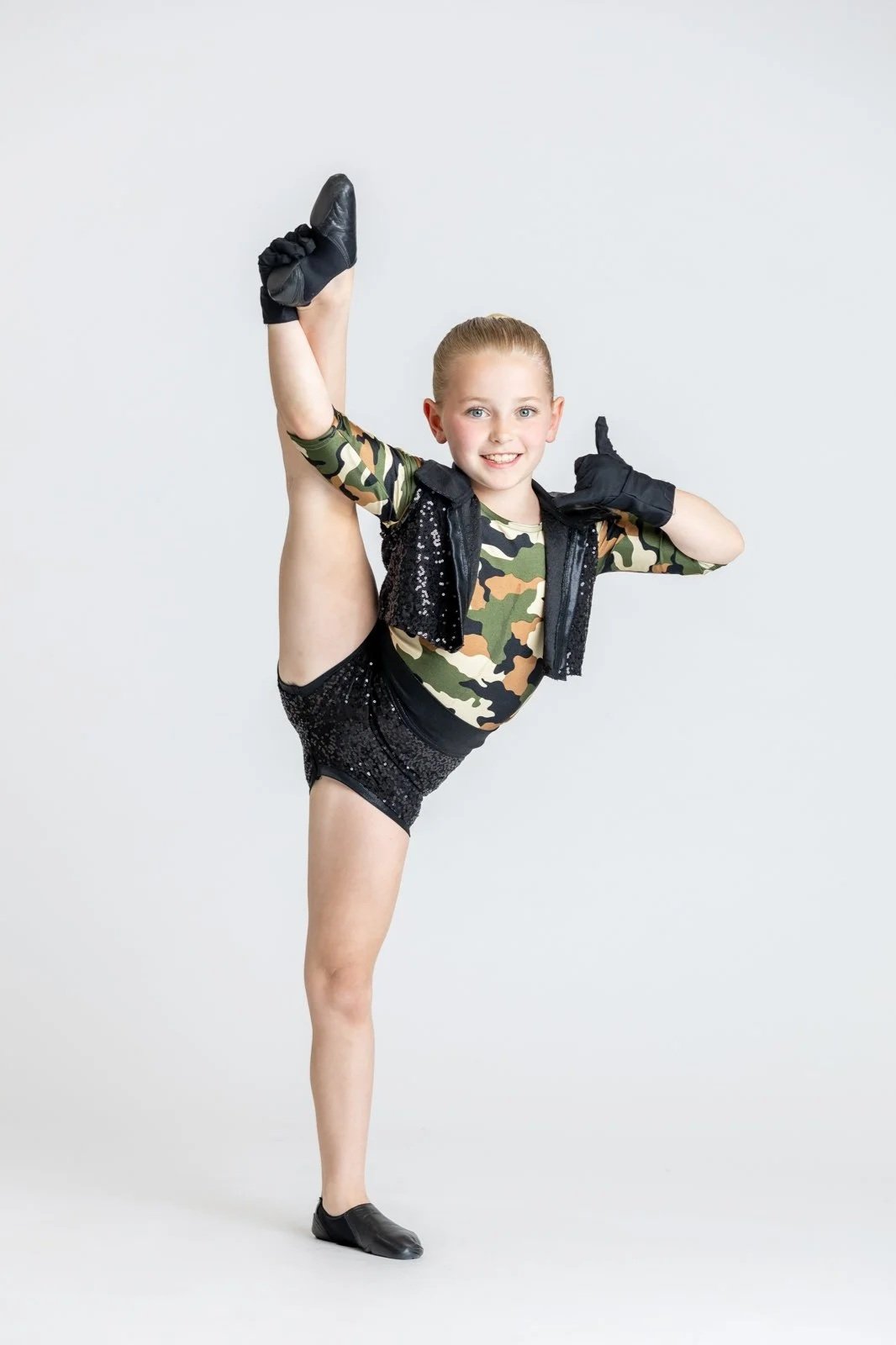
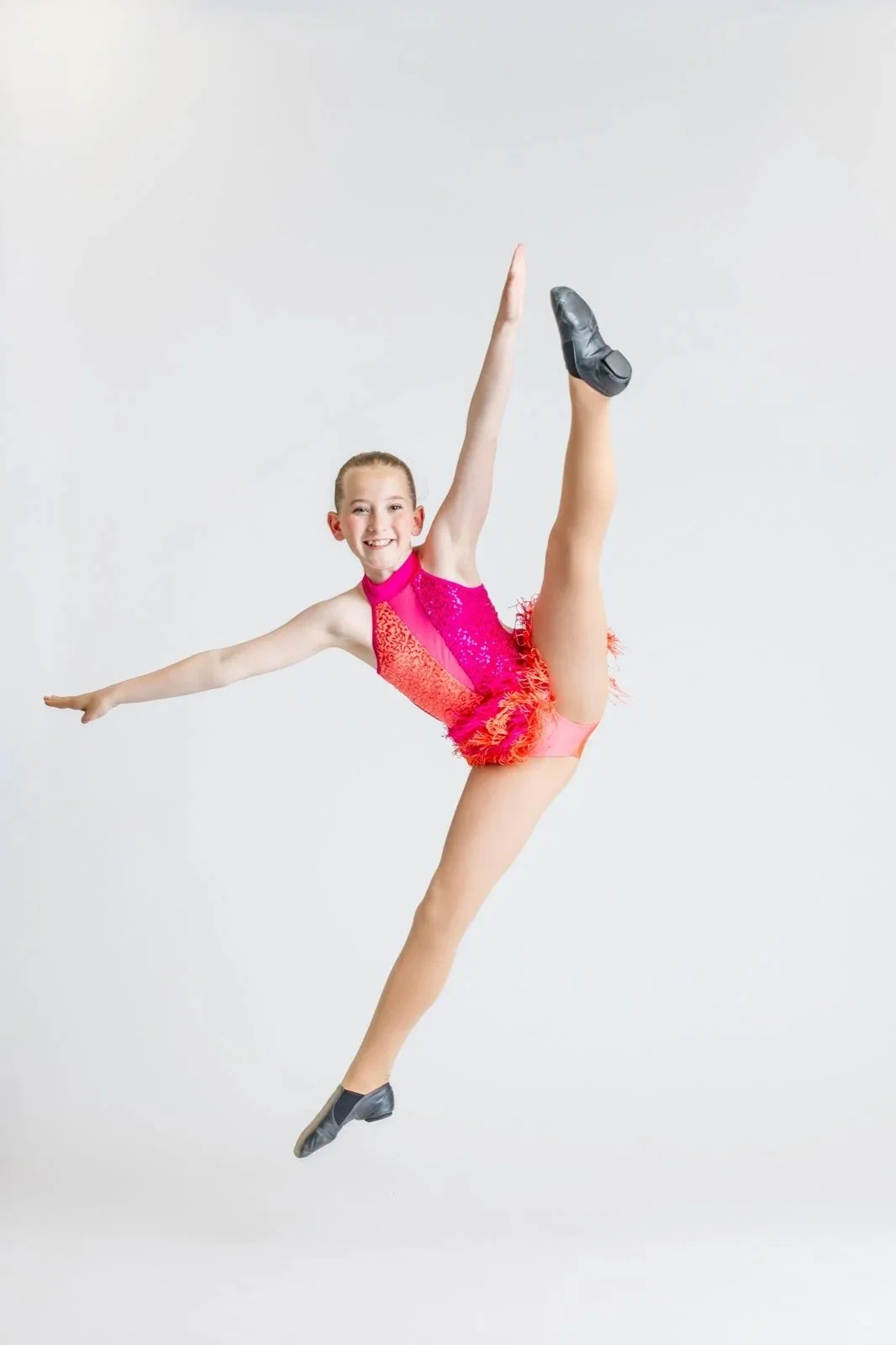
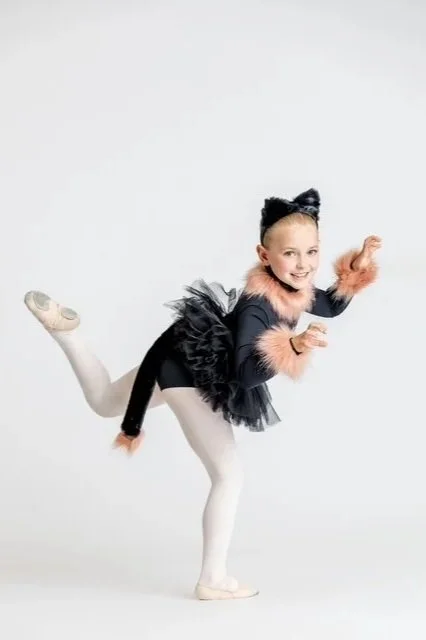
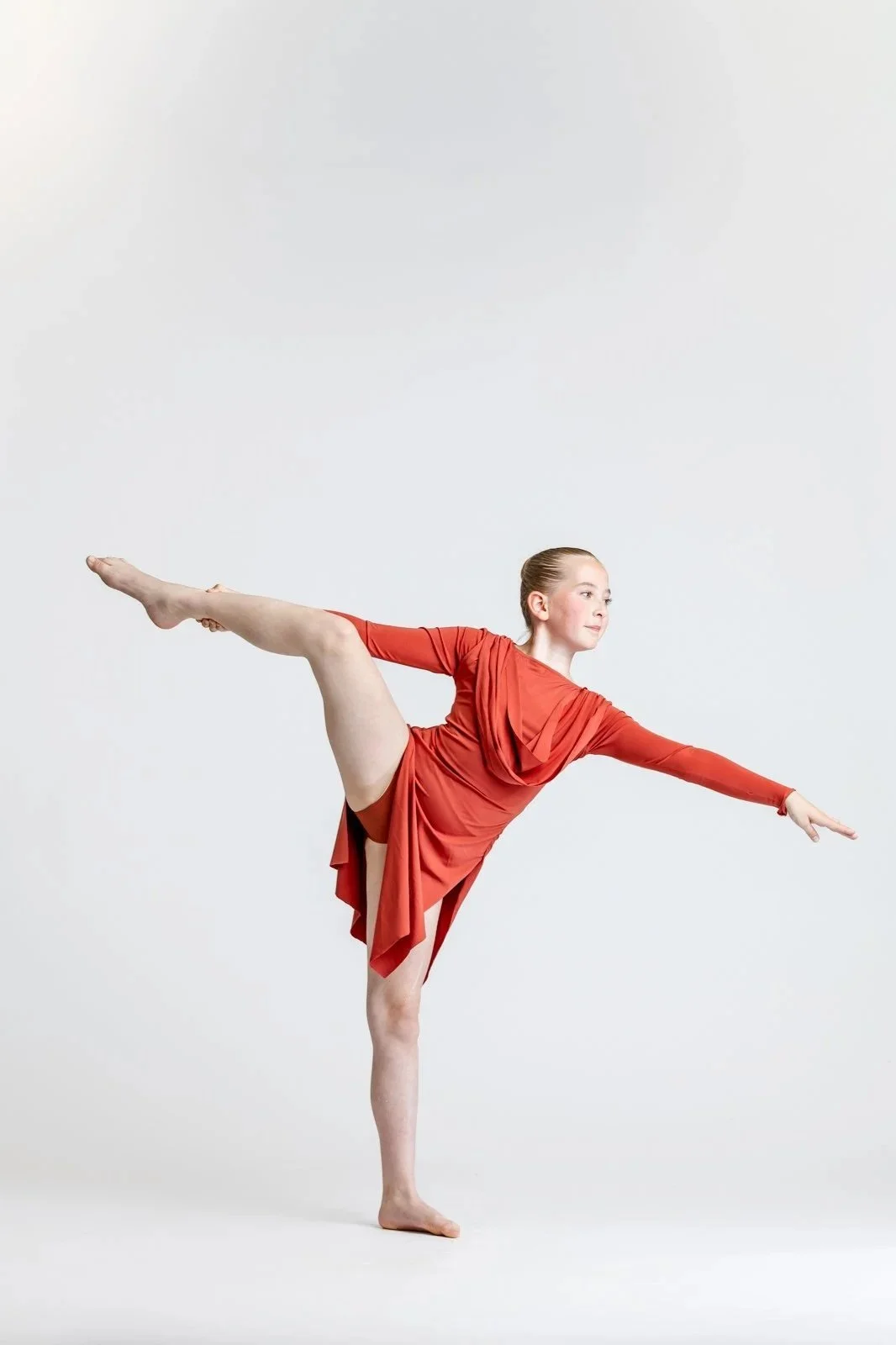
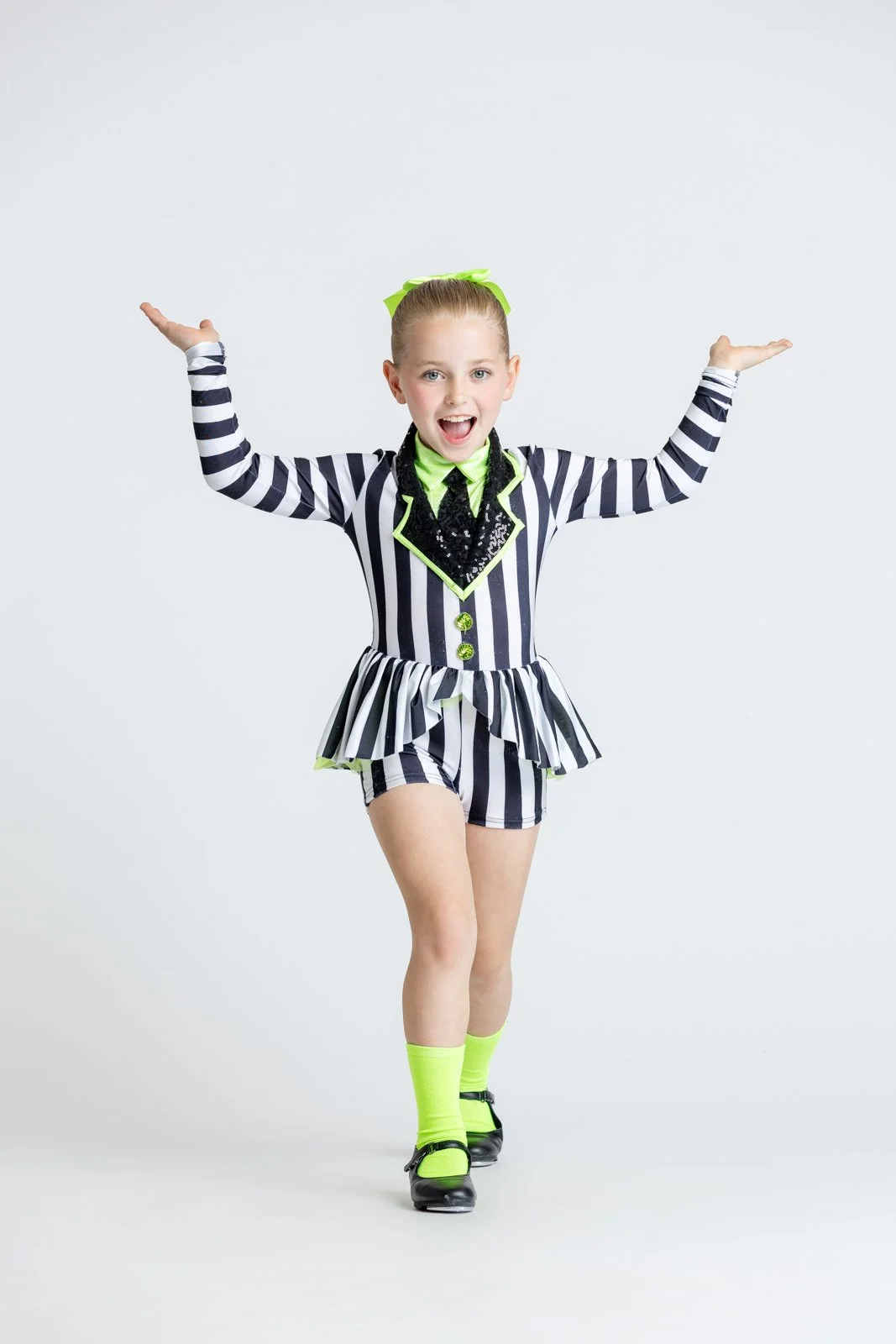
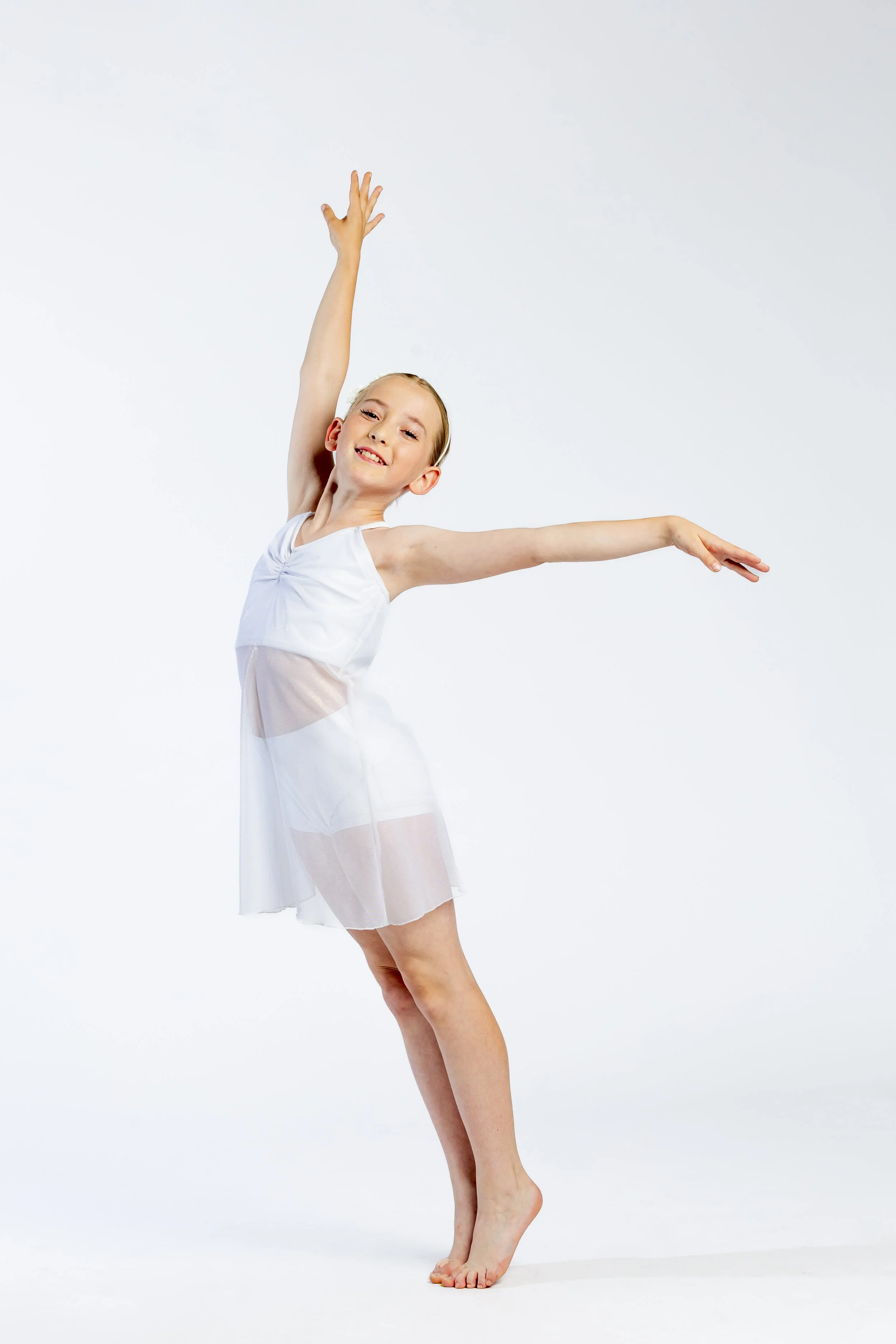
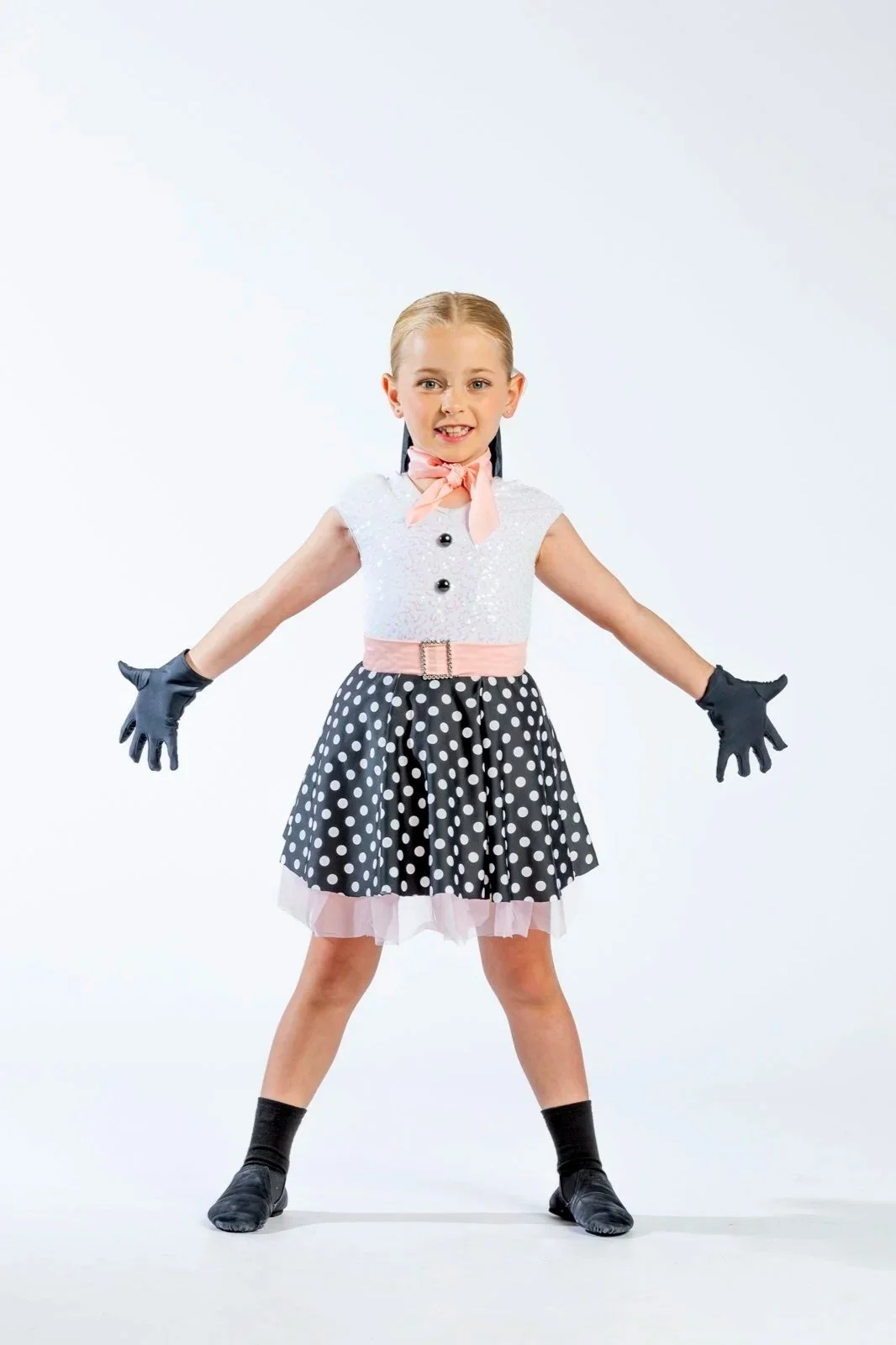

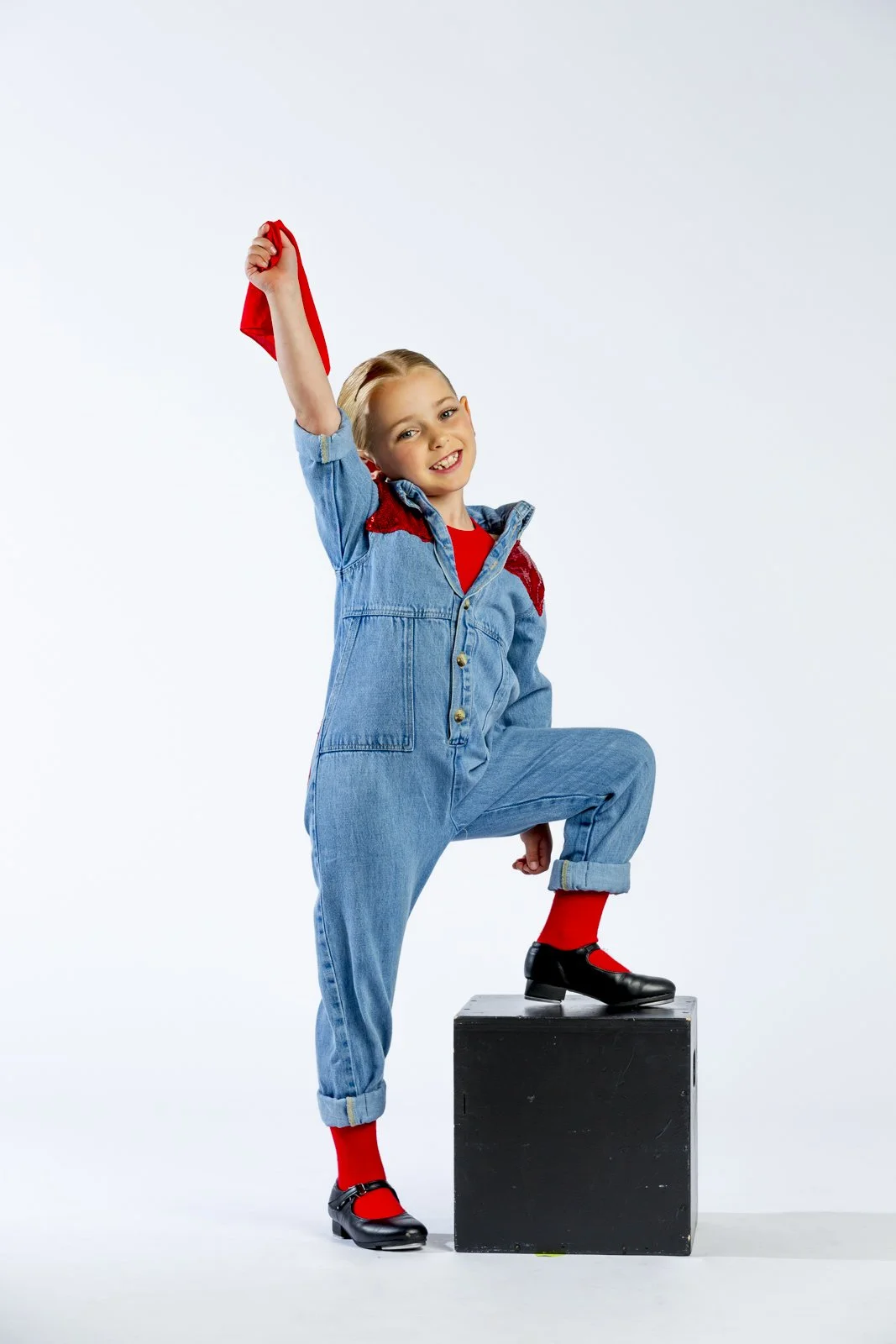
I have two daughters in the RAA program at TRAC. My eldest, Avery, joined in the 2022/2023 season and dances with the Junior RAA2 team, and Cameron joined a year later and dances with the Mini RAA1 team.
We tried our first dance class, a City of Toronto class, when my eldest was three years old. She’d been spinning around the living room, swaying to the music, and bopping up and down since she could walk - so I fully expected her to embrace her first dance class with true abandon.
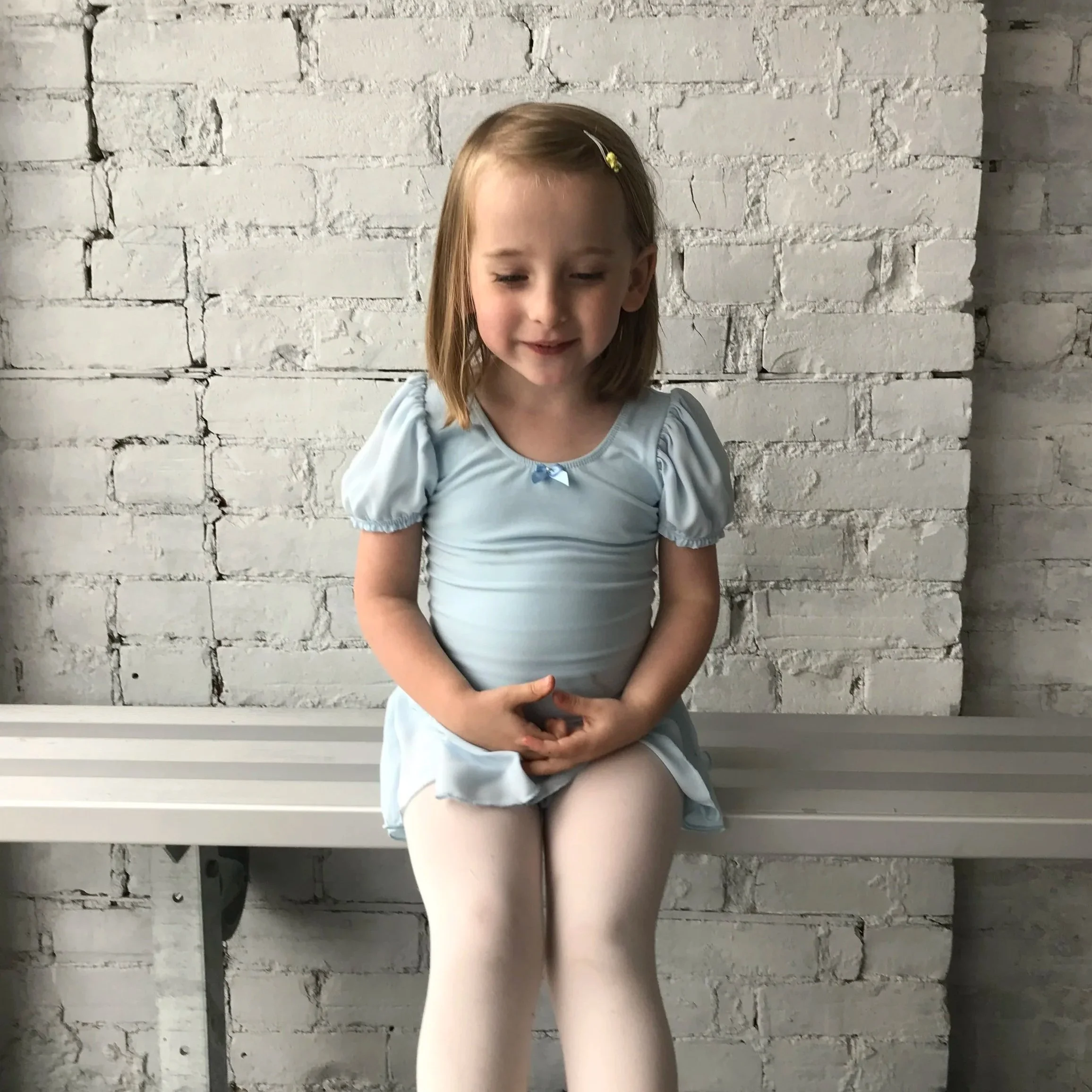
I chose the cutest blue leotard with an attached skirt and headed down to our first class. The teacher was lovely, the other students were adorable, but as we walked up to the door of the studio, she stopped. She wouldn’t go in. She refused to go past the threshold of the door. I tried coaxing and encouraging, but nope, refused to move. Instead, she stood at the entryway of the door - and stared, watching the whole class from there. So we went back the next week, and the week after that. With her blue ballet skirt peeking out beneath her winter coat, we’d get there and then she’d stop, refusing to go in. But each week she’d watch, usually sitting in my lap criss-cross-applesauce, not one toe passing that doorway.
In between classes, she continued spinning and twirling at home. She’d point excitedly to ballerinas in books. She’d dance and wiggle to make her baby sister, Cameron, giggle. But week after week, she wouldn’t go to that dang class.
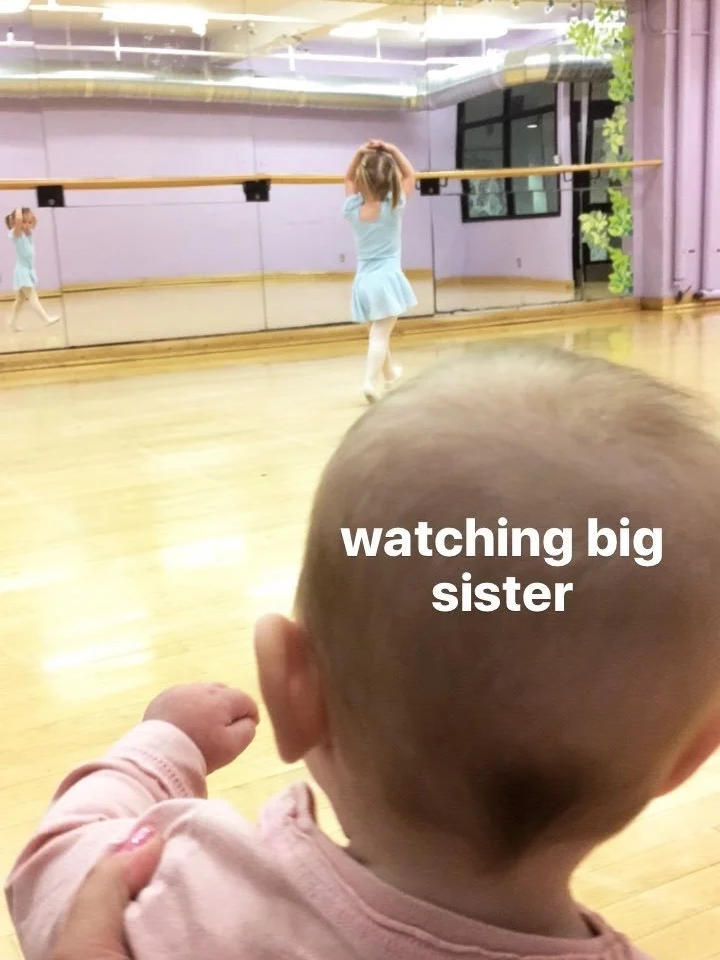
One day, we arrived at the studio, not realizing class had been cancelled. The empty studio, miraculously, was open - and this time, she stepped right over that threshold onto the smooth hardwood floors. With the space to herself, her nerves were gone, and she danced and swayed in front of the mirrors. Her baby sister looked on as she spun and twirled.
And that was it - she was hooked. She walked in proudly each week after that.
A few months later, we joined Broadway Arts Centre, which later became TRAC. She started off doing a simple Sunday rec class. She loved it, and we eventually added a second class to the week. It wasn’t long before I found myself registering that little girl in that blue leotard for TRAC’s Railpath Arts Academy Competitive Team. And one year later, her little sister followed in her footsteps and joined as well.
Why did you choose TRAC?
TRAC is the kind of place where everybody knows your name - it has a small-studio feel that really appealed to us. I’ve never felt like my kids were getting lost in the crowd - they are big fish in a small, cozy pond.
The teachers are committed - both to the studio itself (most of the teachers have been there for many years) and the kids. And they seem to genuinely love their jobs - and this shows up in how they interact with a dancer. They know how to push and how to show extra empathy when the kids are having an off day.
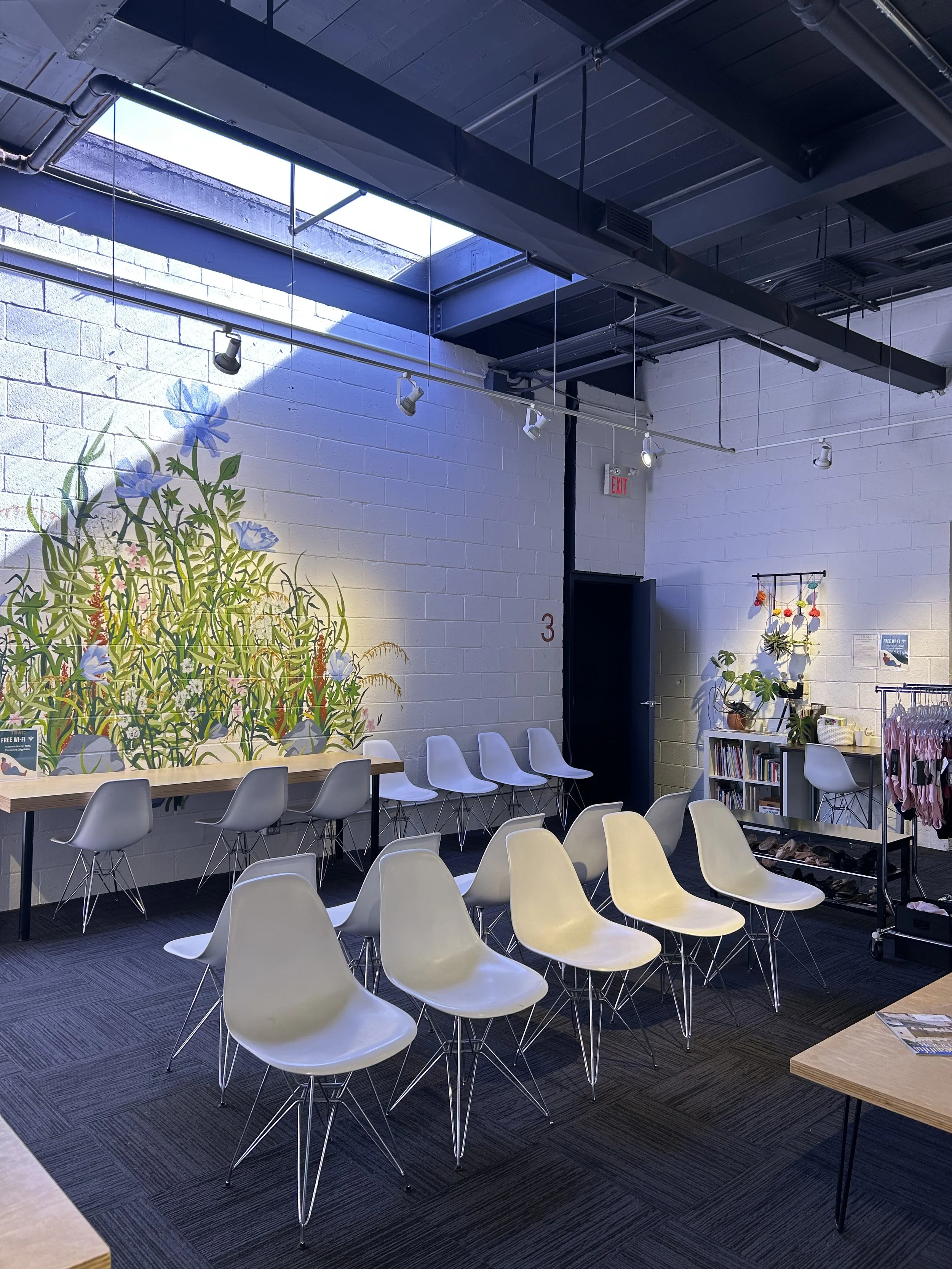
This next piece sounds small - but it has a huge impact. The space is really beautiful. The open lobby makes for a great community space where parents can sit and chat, kids can meet and mingle or warm up, and teachers can connect with the kids. The fact that there’s available parking (in Toronto!) makes pick up and drop off easy.
Why choose a competitive dance stream?
Initially I worried that the competitive dance program might be too intense and too time-intensive. But we quickly learned that it was the opposite. Instead of choosing a variety of different ‘recreational’ activities, the girls like the focus of one core program where they focus their time and energy outside of school, or the odd ad hoc other commitment.
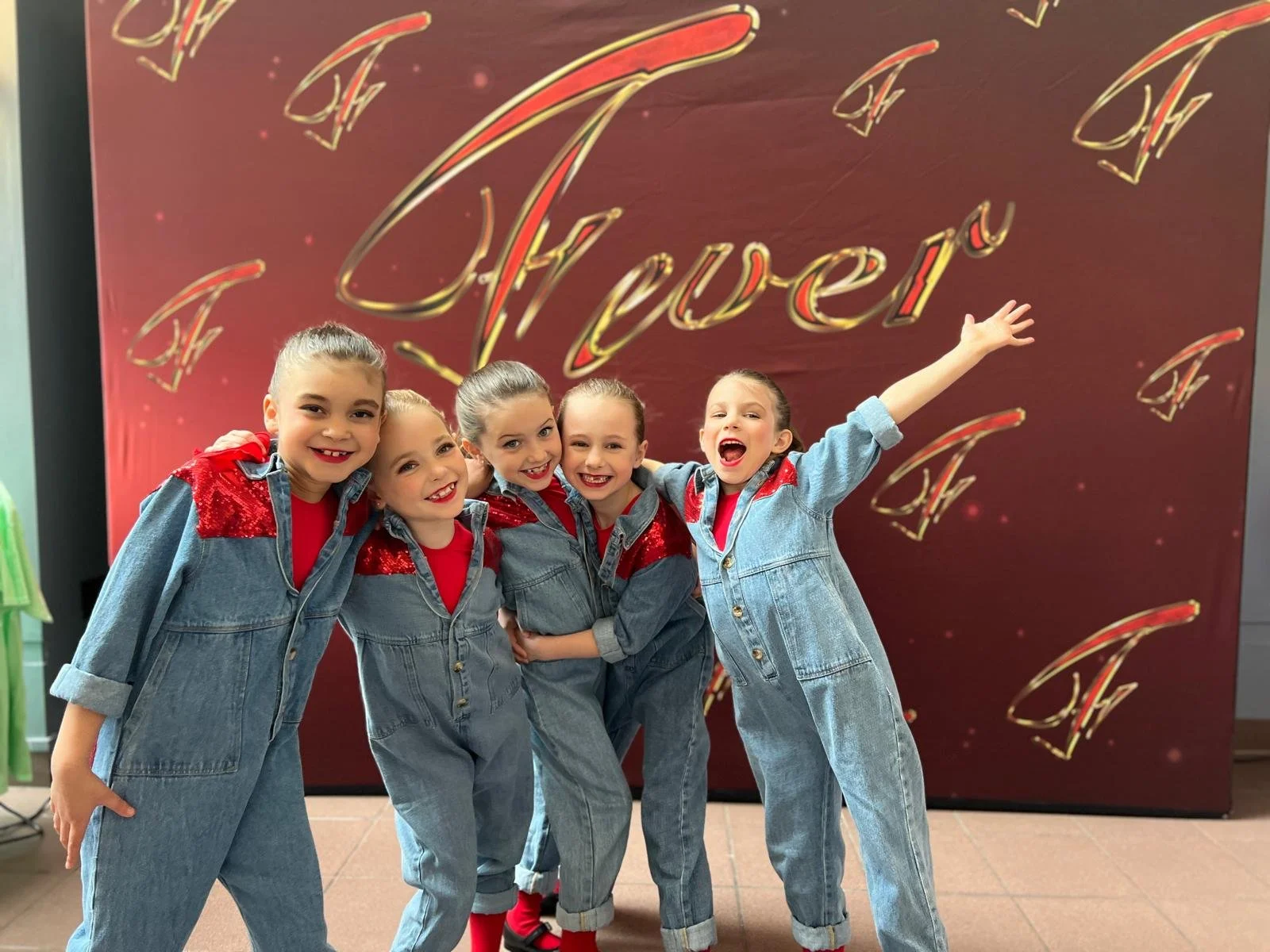
Team Training. The kids in each age level take most of the same classes as a team - they spend enough time together as a group that they really know how to support each other and cheer each other on.This has encouraged a team spirit that has been so rewarding, and it feels like lifelong friendships have blossomed in these last few years. It also gives them a social network outside of school - when social pressures get tough at school, they’ve always got their dance friends.
There’s also opportunities for RAA teams across all age levels to train as a full team - which creates a beautiful dynamic of having older dancers supporting and motivating the younger dancers. My oldest, Avery, said it best when she told me, “TRAC is where you go to meet your people”.
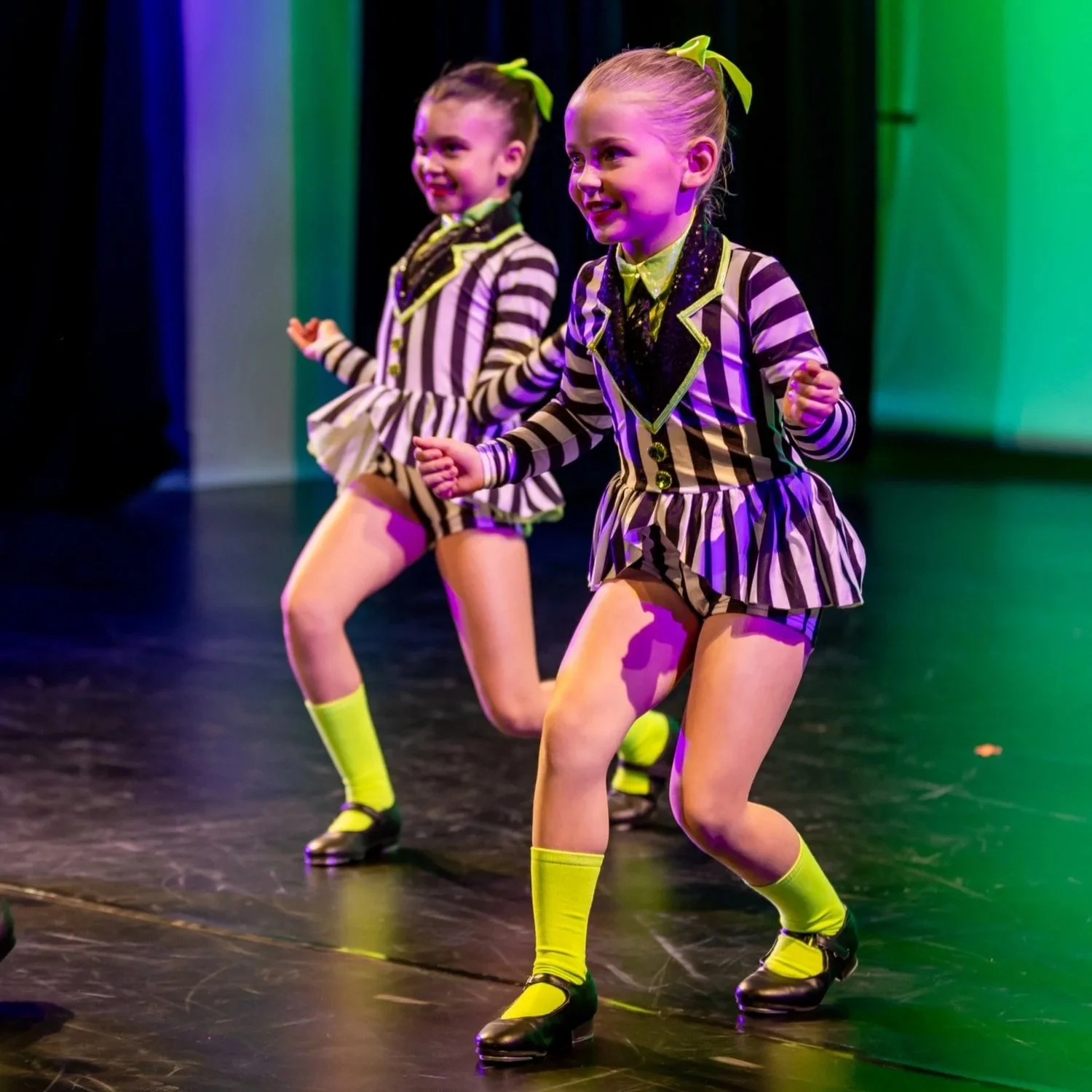
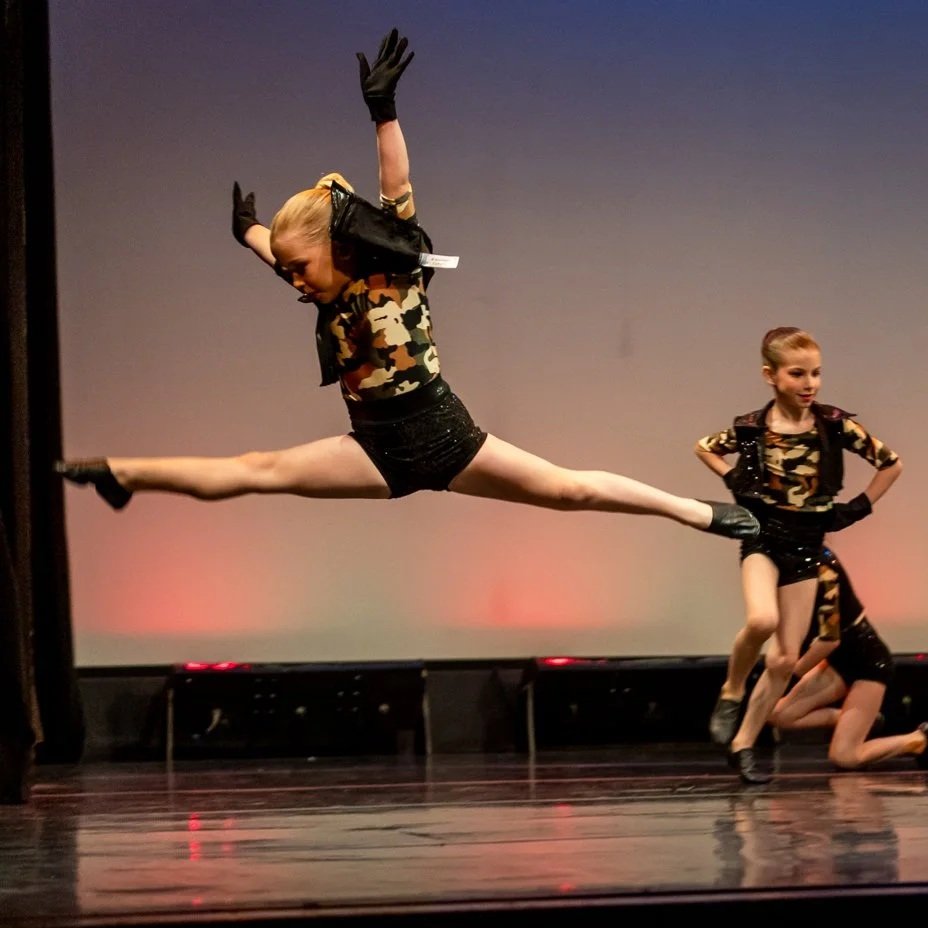
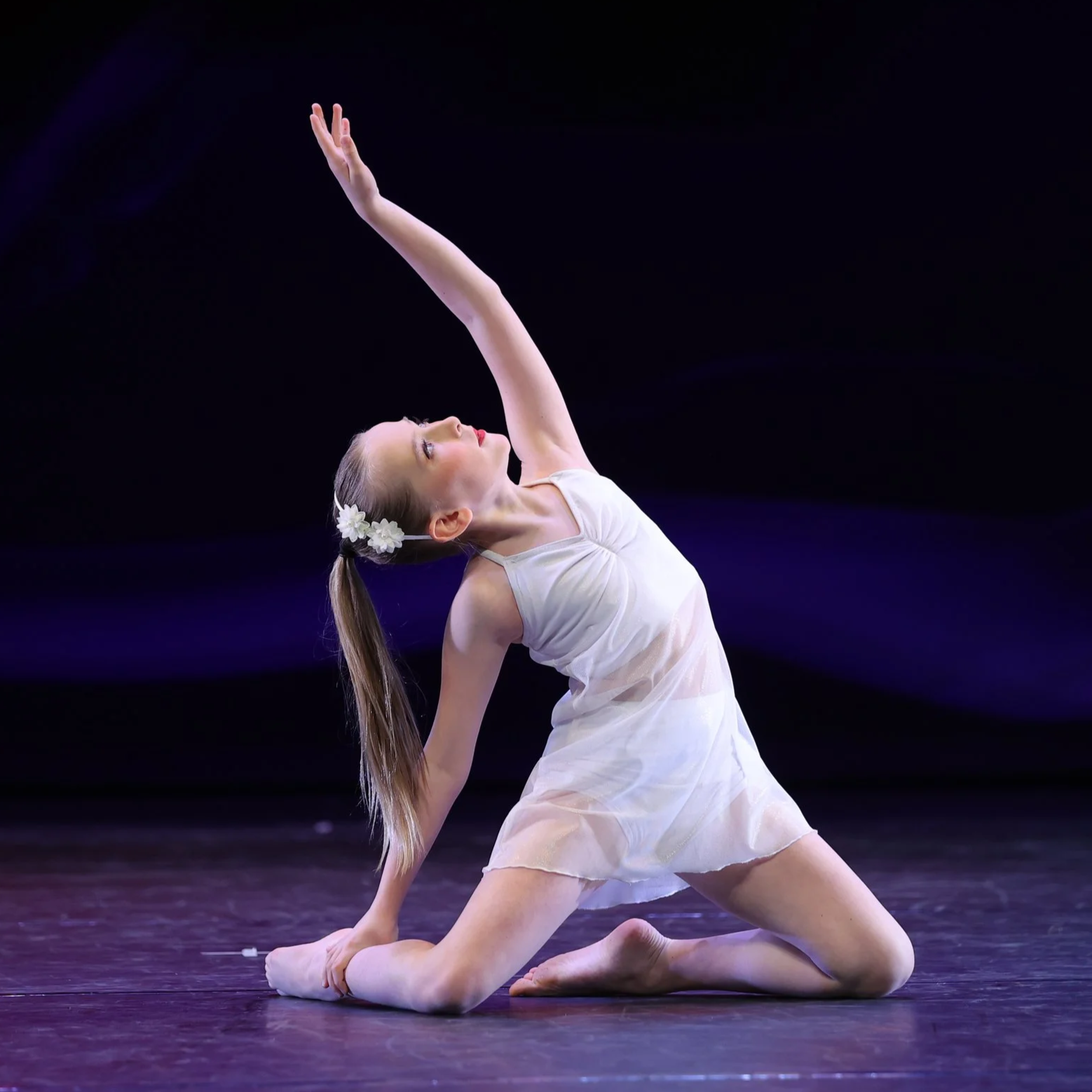
Confidence Building. This has been by far the most noticeable impact that dance has had on our girls. They spend the year working on skills, choreography and technique, and then by competition season, they are on stage dozens of times. And throughout that time they are given corrections and feedback that they are expected to internalize. Every dance pushes them in a new way each year, so they build confidence and self-efficacy with each new teacher they learn from, and with each dance style they study.
Time-Management Skills & Responsibility. Dancing several days a week provides the week with structure and teaches discipline. Small acts of responsibility, like packing a dance bag, really help. And they’ve built time management skills - they learn quickly that homework needs to be completed in the windows that are available.
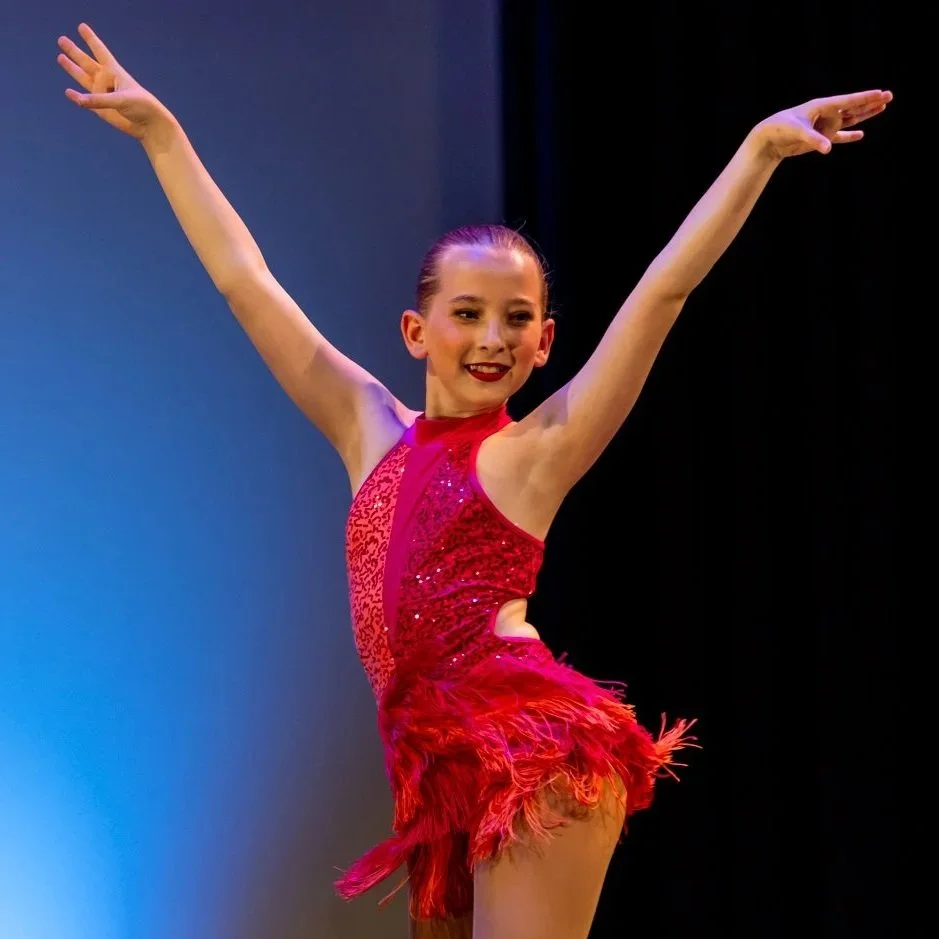
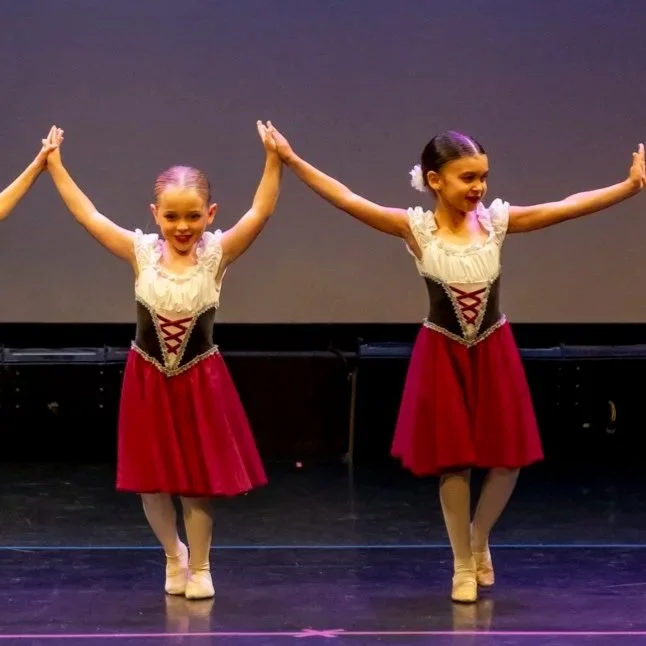
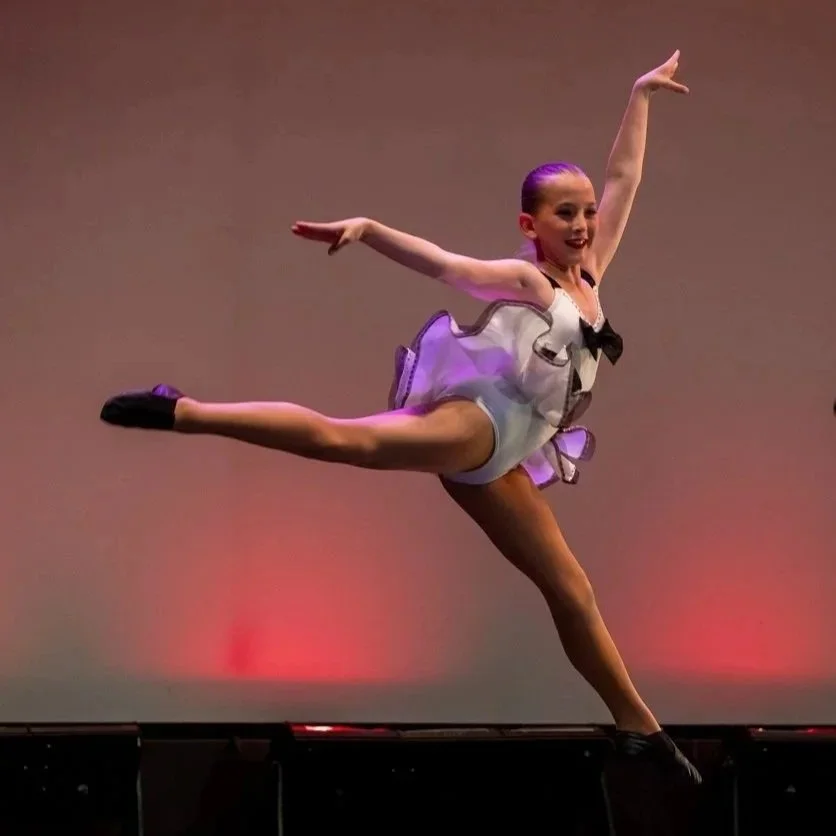
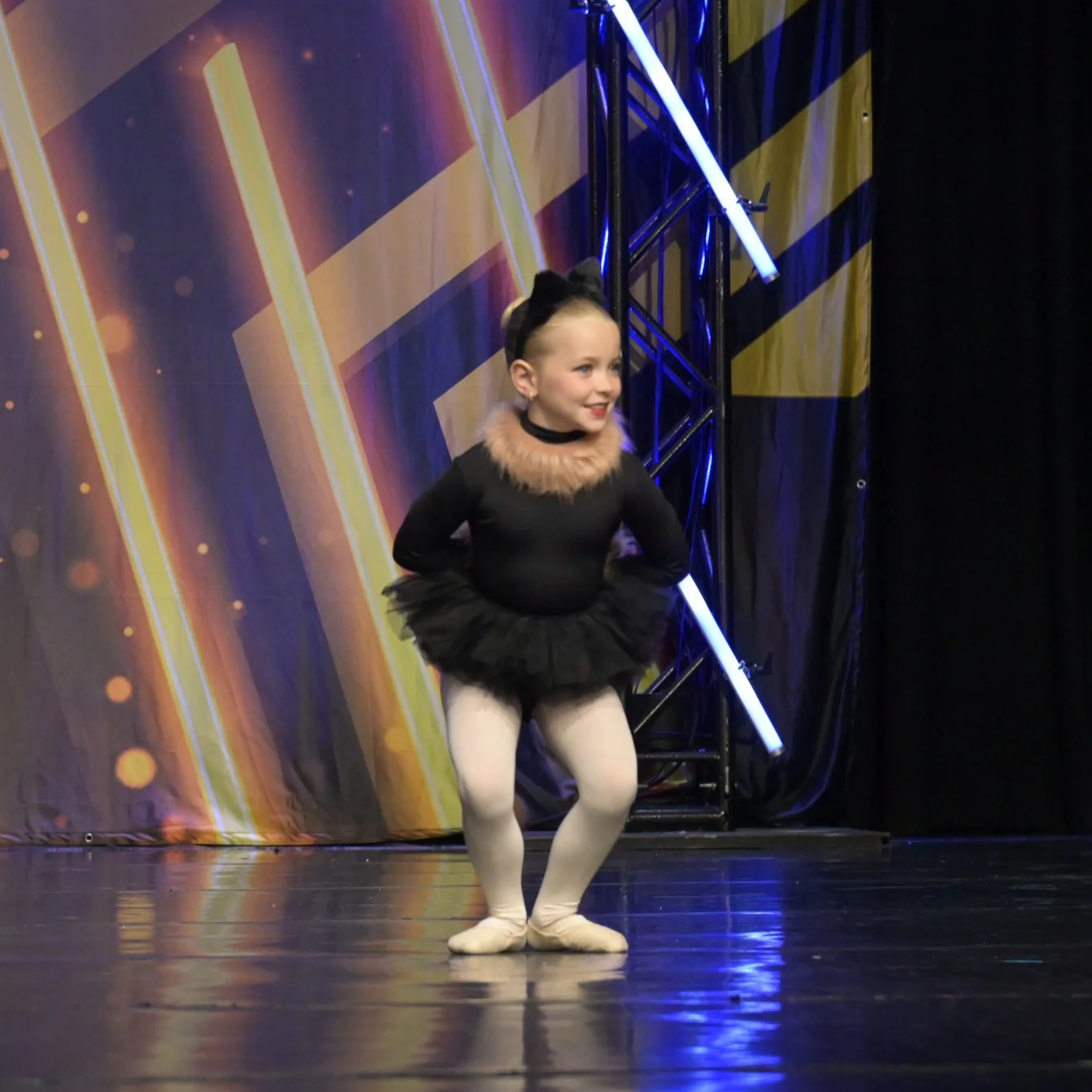
Performance Opportunities. A competitive stream opens up many on-stage opportunities throughout the year that isn’t just limited to the 3-4 competitions each year. It starts with show-and-share in the studio, to performing choreography for the parents in the fall when the dances are still fresh, and to Showcase - an early recital before competitions begin. They also have other performance opportunities outside of “Comps” - like dancing at a festival, or at a sporting event (this year it was the Argos game). This comfort on stage for our kids has translated to increased confidence in their dance, school and beyond.

Ok, but talk to me about scheduling. How do you make all the pickups and dropoffs work?
In the first year, it was a bit intense adapting to the schedule and making room for the commitments: from the regular classes to the RAA team meetings to Showcase, the competitions themselves, and recital.
The first year we joined, I think I was just as nervous as my kid meeting the dance parents. And practically speaking, I was really unsure about how to make the scheduling work. But in our first year team meeting, I was able to connect with some of the other new dance parents - and our carpool was born. This has been a lifesaver, and it means we can do three weekdays of 4:30pm class with our sanity intact. I travel frequently with my job - which means my husband has to play “solo parent” in those weeks, and the parent community at TRAC has been great. It takes effort, leaning in, and building relationships - but it definitely pays off. Especially when competition time rolls around, and another parent jumps in to do your kids’ makeup because you got you got busy. That team spirit has extended to the parents too.
What do I need to know about competitions?
Coffee and soft pants. Kidding. Actually no, you need both of those things.
In all seriousness, during competition time, the days can be early and long. There’s a lot of “hurry up and wait” - where you’ll rush to get the kids for their Call Time, and then have several hours before they are on stage - and hours again before they do the adjudication.
One of my favourite tips is to make sure the dance bag is packed at least the evening before a competition. There’s a huge number of little items they need in that dance bag: from costumes, to the accessories for each costume, tights, hair and makeup - and more. After a few stressful mornings getting two dancers out the door, I learned to prepare the costumes for competition #2 as soon as I got home from competition #1, and so on.
Another area that they can add responsibilities is at competition time. It’s easy to want to do everything for them, but the more they are responsible for packing their bags, or doing their hair, the better. You should see the expert “slick back buns” that my 9-year-old, Cameron, can whip out.
Did it get easier in the 2nd year and beyond?
In the 2nd+ year, the scheduling and organization become more routine - which is great. At that point, the intensity can shift. The kids can have big feelings about what they want to achieve - whether that’s a dance skill (like a clean double pirouette), an opportunity (like a solo), or various achievements at the competitions themselves. The ups and downs of wins and losses can be challenging for the kids - and for the parents watching them.

One of the lessons I’ve learned at TRAC is that our role as parents is to be the child’s biggest cheerleader and supporter, not the coach or teacher themselves. This is logical, but as the years have gone on, I have found myself fighting the urge to repeat the corrections the teacher has made - and I haven’t always succeeded. But what I’ve learned at TRAC is that being the safe place for the kids to land, the cheerleader, and the supporter is the most important role I can play.
The Girl in the Blue Leotard
About a year ago, I recounted the story about Avery’s first dance class season to a fellow dance mom. We were sitting in the front row at a dance competition, waiting for the older girls to hit the stage. My youngest, Cameron, had finished dancing and was waiting for her big sister to go on.
The other mom was amazed at how far Avery had come. The timid girl in the blue leotard had flourished in her years in competitive dance - and by that point she’d done groups, solos and duets.
And then their routine was called, and they were on stage. As I was marveling at the precision of their routine, Avery caught me watching her from the audience. She smiled right at me as she tapped away, fuelled with the beautiful confidence that dance had instilled in her… and she winked.